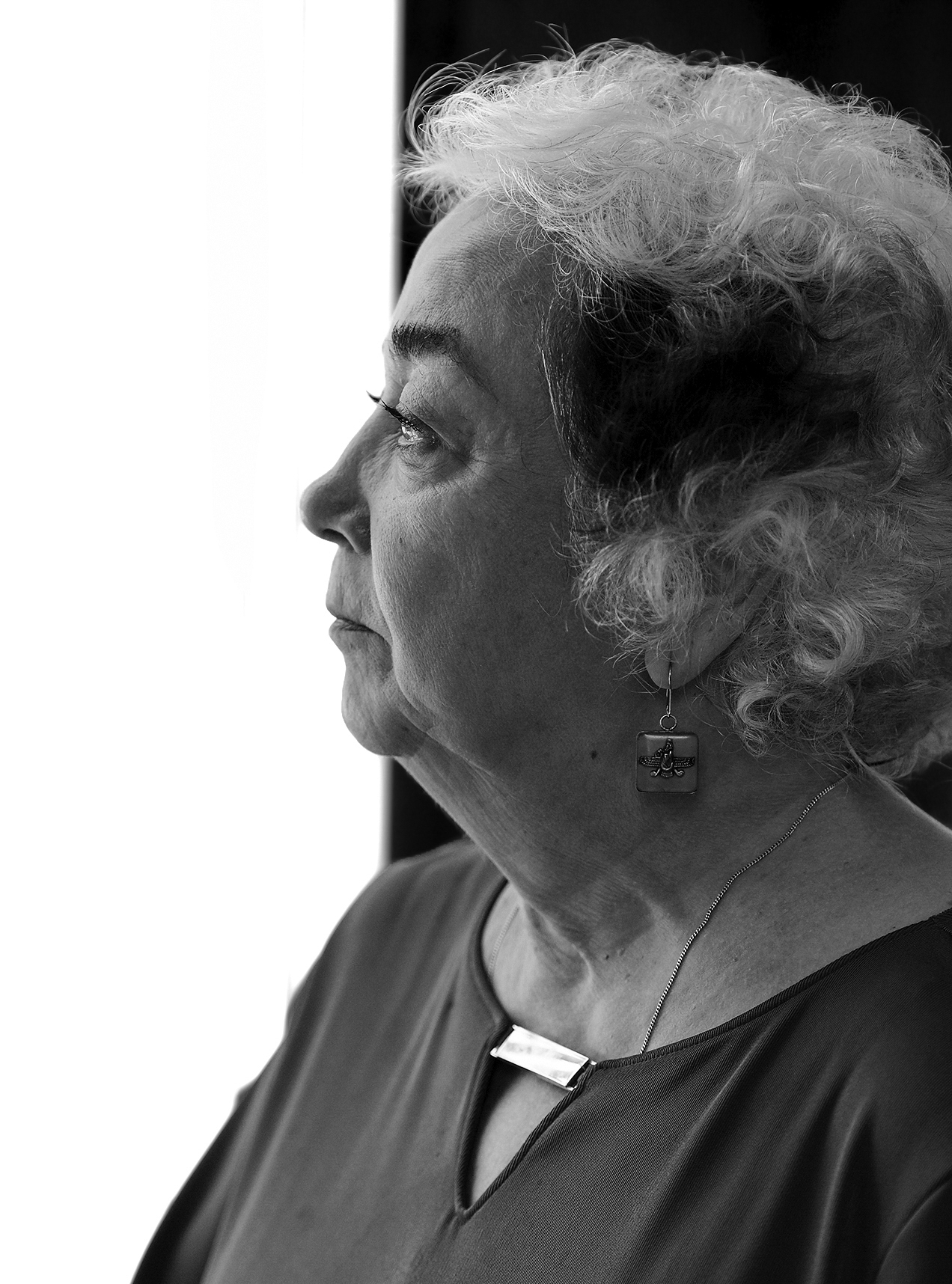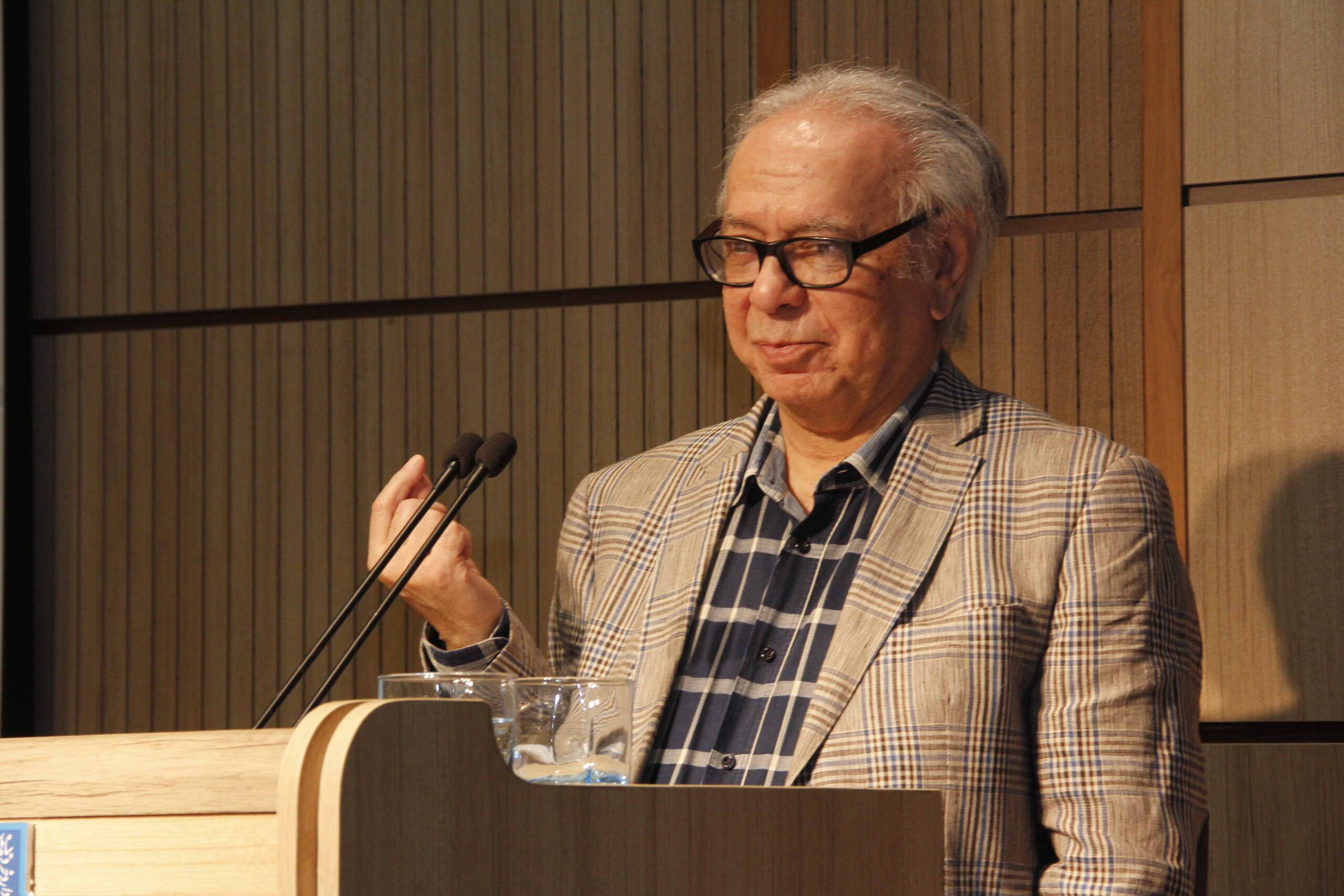
Djalal Khaleghi-Motlagh, the greatest Shahnameh scholar of our time, passed away on February 8th, 2026 in Hamburgh. Professor Khaleghi-Motlagh was born on September 11, 1937 in Tehran. After graduating from high school, he left for Germany where he received his doctorate in Oriental Studies from the University of Cologne in 1970. His dissertation, Die Frauen im Schahname, a detailed study of the women in Iran’s national epic, has been translated and published in English and Persian. In 1971, he began his teaching career at the University of Hamburg, where he retired in 2006. Khaleghi-Motlagh is best known for his monumental critical edition of the Shahnameh in 8 volumes. He began his work on the text of the epic quite early in his career and inspected a large number of early manuscripts of the Shahnameh and chose about fifty of them for his project. He devoted the decade between 1970 and 1980 to a careful study of this corpus and finally selected 16 of them as the most authoritative for his project. He began the work of collating in 1980 and the first volume of his critical edition appeared in 1987 with the second, third, fourth, and fifth appearing in 1990 through 1997 in New York as part of the Persian Heritage Series in association with the Mazda Publishers. Volumes six, seven, and eight of the text appeared between 2005 and 2008. Khaleghi-Motlagh’s detailed notes on the text were also published in four volumes between 2001 and 2009. A revised text of Khaleghi-Motlagh’s edition appeared in two large volume in 2014 by the Sokhan publishers in Tehran. He donated his personal papers to the University of Hamburg before his death.
Although primarily known for his studies on Iran’s national epic, Khaleghi-Motlagh was a great scholar of Persian literature in general. He has published an important monograph on the poet Nezami (d. 1209) and influential essays on a wide variety of literary issues. Khaleghi-Motlagh was a fine poet in his own right. Some of his poetry has been published as an audiobook in his own voice under the title of Āhu-ye vahshi dar dasht [The Wild Gazelle in Desert].
Mahmoud Omidsalar