



Prehistoric period. The earliest evidence of human presence in Khorasan, dating back to approximately 800,000 years ago, has been found in the Kašaf river basin, especially in the vicinity of the villages Ābravān, Čāhak, and Baḡbaḡu, located some 35 km to the southeast of Mashhad (Ariai and Thibault; Thibault). The 1949 intensive investigations of Carleton Coon (q.v.; 1904-81), who was searching for Paleolithic (q.v.) sites in eastern Iran, identified a rock shelter in southern Khorasan, known as Pāygodār. The stone tools of Pāygodār were attributed to the middle Paleolithic era. Coon also carried out an excavation at the cave of Ḵunik that brought to light some man-made stone tools dating to the same period. The investigations of Coon showed that hunter-gatherer people lived in Khorasan since at least 40,000 years ago (Coon). Moreover, some Paleolithic tools have recently appeared in the southern Khorasan and Kašaf river basin testifying to the human presence in Khorasan during the early and middle Pleistocene epoch (Biglari).
The populations of Khorasan began to settle down in the Neolithic (q.v.) period (late 7th millennium BCE). The most important villages of Neolithic Khorasan are the two sites of Anaw (q.v.) and Jeitun located in southern Turkmenistan. The rectangular houses of these settlements were constructed with mud bricks (Pumpelly, p. 15), and the ceilings in Jeitun were erected with stone slabs (Masson and Sarianidi, p. 40).
A few of the Neolithic settlements inside modern Khorasan have been recently investigated by Iranian archaeologists. The excavations at Qalʿa Khan in the middle of the Samalqān plain unearthed architectural remains of mud-brick walls enclosing rectangular and circular rooms (Gārāžiān, 2006). The Chalcolithic (q.v.) phase of Qalʿa Khan, spanning from 5,000 to 3,000 BCE, includes houses that were plastered with a thick ochre paste. The same kind of plaster has been found in Chalcolithic remains of Tepe Borj in the east of Nishapur (q.v.). The late Chalcolithic material culture has been chiefly found at the Tepe Dāmḡāni in the Sabzavār plain and Yusofābād in the west of the Nishapur plain (Gārāžiān, 2015, pp. 35-37).
The early cities of Greater Khorasan emerged about 3,000 BCE in the northern piedmonts of the Kopet-Dag, located in southern Turkmenistan. The most striking monuments of the Bronze Age (q.v.) appeared in the vast sites of Namazga, Altin Tepe (q.v.), Oluḡ Tepe, and Ḵapuz Tepe. The Bronze Age settlements of Khorasan, surrounded by massive fortifications, are frequently characterized by monumental public architecture. A mud-brick ziggurat-like monument has been identified in Altin Tepe and attributed to ritual activities. The remains of the most important Bronze Age cities of the Kopet-Dag piedmont that flourished in the late 3rd millennium BCE have been unearthed in the archaeological sites of Gonur, Toḡloq, Namazga, Altin, and Anaw; all were equipped with defensive fortifications. The vast settlements of the Bronze Age disappeared in the 2nd millennium BCE and were replaced by small, rural sites. They were surrounded with single, massive forts and placed on mud-brick platforms. This settlement pattern was dominant in the Yaz cultural sphere, expanding over the northern piedmonts of the Kopet-Dag, the ancient delta of the Morḡāb (q.v.) River, northern Afghanistan, southern Uzbekistan to the eastern Atrak (q.v.) valley, and the Bojnurd (q.v.) plain in the southern Kopet-Dag piedmonts (Vaḥdati).
Achaemenid period (550-331 BCE). In contrast to the central and western parts of the Iranian plateau, the eastern territory of the Achaemenids (q.v.) is shrouded in ambiguity. According to classical sources, the northern desert of Khorasan was visited by the steppe nomads, including Scythians and Massagetae (qq.v.), who left nothing of monumental architecture in this region. Nevertheless, due to the archaeological investigations in the southern piedmonts of the Kopet-Dag along the Atrak valley, six archaeological sites have been identified as Achaemenid settlements (Venco Ricciardi). Recent excavations at the site of Rivi in the Samalqān plain have shed new lights on eastern Achaemenid architecture (Thomalsky; Jaʿfari). The last two seasons of excavations at Rivi revealed a portion of a columned hall, which resembled the details of the palaces of Pasargadae (q.v.). Archaeological investigations in the western portion of Greater Khorasan revealed also some vestiges of Achaemenid architecture in the Gorgān (q.v.) plain. The Achaemenid phase of Tureng Tepe includes the remains of a colossal mud-brick building abutted by storage rooms (Deshayes, p. 491). Some Achaemenid materials have been also reported from Narges Tepe (Abbāsi) and Yarim Tepe (Crawford), both located in the Gorgān plain.
Hellenistic and Parthian periods (331 BCE-224 CE). The Hellenistic monuments of Greater Khorasan are concentrated in the eastern borders of the region, located in present-day northern Afghanistan, Tajikistan, Turkmenistan, and Uzbekistan. Āy Ḵānom (q.v.), the most important Hellenistic archaeological site located in the middle of the Oxus (Āmu Daryā, q.v.) valley, contains the monumental buildings of a Hellenistic city including a gymnasium, a theater, a fountain, and funerary monuments (Veuve), encompassed within a girt of powerful mud-brick ramparts (Leriche). The main building of the city was a palace composed of several courtyards, two of which possessed columned porticoes; residential quarters; administrative sections with offices and reception rooms; and also a treasury, in which a large number of storage jars was found, several of them bearing economic inscriptions in Greek (Rapin and Grenet).
The Hellenistic elements of architecture continued into the Parthian period. The first capital of the Arsacid dynasty in Nisa (qq.v.) includes monuments that were constructed and decorated in Hellenistic styles. The excavations at this city brought to light a monumental funerary building of the Parthian era with a flat, crenelated roof, a façade characterized by an outer portico of slender columns, and wall decoration with terracotta plates nailed to the wall, reproducing Ionic capitals in relief (Pugachenkova, pp. 60-69). The most important monument of Nisa was a large building, the so-called Square House, in the center of which was a large courtyard that originally functioned as a place of assembly and banqueting (Invernizzi, 2000; 2001), but, perhaps from the 1st century CE, it became a treasury for the storing of objects that were no longer used and of precious goods (Invernizzi, 2010).
The Arsacid dynasty gradually moved into western Iran and established its political capital in Ctesiphon (q.v.). At that time, Khorasan was governed by local dynasties. The dispersed Parthian forts in Khorasan testify to the local governors ruling over small territories. The limited excavations at Šahr Tepe in the Darragaz (q.v.) plain revealed some Parthian materials, but no monumental architecture. There is, however, a mound at the center of the site that contains the remains of a monumental building (Nāmi et al.).
Qalʿa Khan in the Samalqān plain in northern Khorasan contains another Parthian monument, and it is surmounted by a massive mud-brick building and was occupied until the Sasanian period (Gārāžiān et al., 2010). The unexcavated mound of Nehbandān castle (Arg-e Nehbandān) also contains what is probably a Parthian compound that was occupied until the late Islamic period (Zāreʿi et al.).
Sasanian period (224-651 CE). According to the Middle Persian text of Šahrestānīhā ī Ērānšahr (q.v.), Khorasan was one of the four military divisions of Sasanian Iran (Daryaee, tr., pp. 17-18). In the Res Gestae Divi Saporis, Šāpur I (q.v.) listed some of the Khorasanian cities on the eastern Sasanian borders including Marv (Merv, Mary, present-day southern Turkmenistan), Herat, Abaršahr (qq.v.), Čāčastān, and Sogdia (Sprengling, p. 14). The earliest Sasanian monument of Khorasan is probably the rock drawings of Kāl-e Jangāl near Birjand (q.v.) that are partially inscribed with Parthian inscriptions. The rock drawings of Kāl-e Jangāl present a man dressed in Parthian costume wrestling a lion. Regarding the toponym gry’rtḥštr (Gar-Ardaxšīr), observed in this inscription, Walter Bruno Henning (q.v.) proposed that perhaps this place-name was given by Ardašir I (q.v.), the founder of the Sasanian Empire, or given in his honor (Henning, p. 134).
A definitely early Sasanian monument of Khorasan is the rock relief preserved partially in the Baḡlān (q.v.) province of northern Afghanistan. This relief shows Šāpur I, mounted on a galloping horse and hunting a rhinoceros. Three figures stand around the king; one of them in front of the horse is clothed in Kushanid garments (see KUSHAN DYNASTY). This relief symbolically narrates the conquests of Šāpur I in the southern Hindu Kush range (q.v.; Grenet; Grenet et al.).
According to the Zoroastrian tradition, one of the three sacred fires of Sasanians, Ādur Burzēn-Mihr (q.v.), was located in Khorasan on Mt. Rēvand (Bundahišn, TD1, fol. 32r [9.21]; Anklesaria, tr., p. 97; Bahār, tr., p. 72). The exact location of this fire temple (see ĀTAŠKADA) is a matter of debate, and a čahārṭāq (q.v.) in the northwest of Sabzevār has been tentatively attributed to the Ādur Burzēn-Mihr (Hāšemi Zarjābād et al., p. 80). This building, known locally as the Khone-ye Div (Ḵāna-ye Div, ‘House of the Demon’), is located over a high mound in the mountains of Rēvand County about 40 km northwest of the city of Sabzevār. The ground plan of the building is a simple rectangle extended to a cruciform plan by four arched recesses, making the building a typical čahārṭāq. On the northeastern side of the čahārṭāq, there is a very narrow (0.80 m) passageway, probably for access to the main room and to the area south of the čahārṭāq (Kaim and Hashemi).
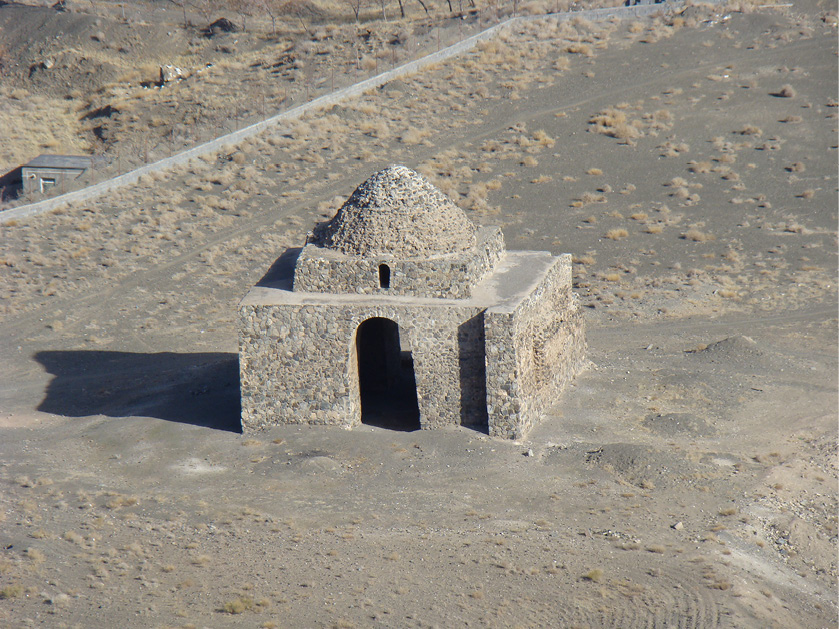
Plate I. The Bāzeh Ḥur čahārṭāq. Photograph courtesy of the author.
Another monument resembling Khone-ye Div in plan and structure is the Bāzeh Ḥur čahārṭāq (PLATE I). The recent excavations, carried out for the first time around this building, revealed that the dome chamber was embraced by two narrow rooms on the northern and southern sides, and the western and eastern niches were once blocked (M. Labbaf-Khaniki, 2017). The excavations brought to light the remains of a columned hall with at least sixteen columns in two rows abutting the eastern wall of the čahārṭāq (M. Labbaf-Khaniki, 2018, p. 415). Some 400 m south of the Bāzeh Ḥur čahārṭāq, excavations in 2018-19 revealed the remains of a Sasanian edifice that has been mentioned in a Qajar travel book as Qaṣr-e Doḵtar (Afżal-al-Molk, p. 130) and is now called Qalʿa-ye Doḵtar. The excavated area of this compound includes remains of a hypostyle room abutting a massive brick čahārṭāq. The čahārṭāq was surrounded by an ambulatory with a fire altar at the center that was once erected beside a platform. The excellent masonry and magnificent decorations of stucco and wall painting, as well as the location of this fire temple in the ancient region of Bust, lead us to suppose that it was probably the Zoroastrian sacred fire of Ādur Burzēn-Mihr.
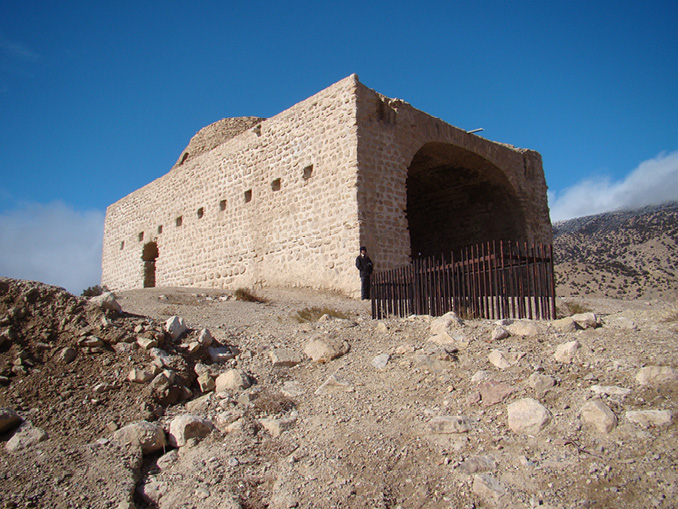
Plate II. The stone building of Aspāḵu. Photograph courtesy of the author.
The stone building of Aspāḵu (PLATE II), another preserved Sasanian building located in northern Khorasan, has been identified as the church and fire temple near the Robāṭ-e Qara Bil caravanserai (Chassagnoux; Towḥidi). This monument consisted of a deep porch leading to a dome chamber. The doorway arches and dome of Aspāḵu were constructed in the Sasanian style, resembling the techniques applied in the Bāzeh Ḥur čahārṭāq and other Sasanian monuments of the Iranian plateau (see ARCHITECTURE iii. SASANIAN PERIOD).
The invasions of the Central Asian nomads to the northeastern frontiers of Iran intensified in the Sasanian period. To guard against the northern invaders, the Sasanian settlements of Khorasan were equipped with fortifications, and some military garrisons were established. According to Šahrestānīhā ī Ērānšahr (Daryaee, tr., p. 18) and archaeological findings (R. and M. Labbaf-Khaniki, 2012; Rante and Collinet, p. 12), Nishapur was founded during the reign of Yazdegerd I (q.v.; r. 399-420 CE) as a military base against the northern enemies (M. Labbaf-Khaniki, 2014b, pp. 90-92). This fort developed in the late Sasanian period and became the metropolis of Khorasan in the medieval ages.
Marv was another Sasanian urban center in Khorasan, populated by Zoroastrians, Christians, and Buddhists. The Sasanian remains of Marv have been discovered in the principal areas of the early city, Erk-Kala and Gyaur-Kala, including a mid-Sasanian quarter, a late Sasanian residence in the citadel, and some portions of the Sasanian fortifications in the southwest corner of the city (Simpson).
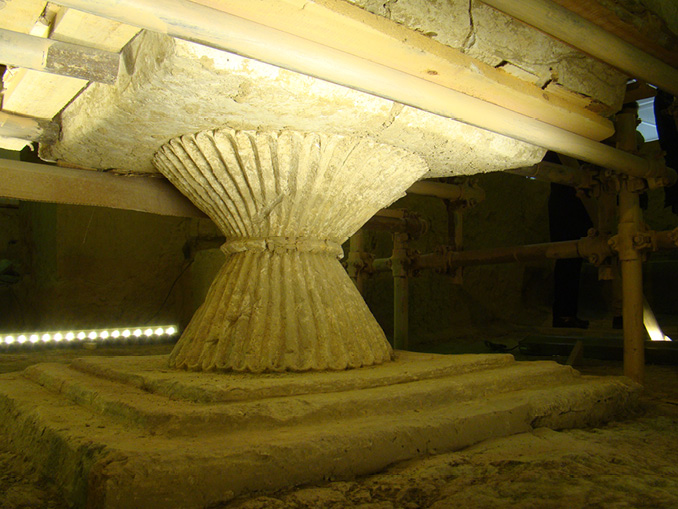
Plate III. The fire altar (ātašdān) of Bandiān. Photograph courtesy of the author.
The permanent incursions of northern nomads, especially the Hephthalites (q.v.), into northeastern Iran had obliged the Sasanian kings to recognize some local powers and grant them a piece of land called dastgerd (q.v.), and in return they would protect the frontiers of the Sasanian empire. One of the seignorial estates has been identified at Bandiān in Dargaz. The Sasanian compound of Bandiān includes the remains of a fire temple, a residential quarter including a columned hall, and a cylindrical clay structure that probably served as the tower of silence (daḵma, see CORPSE). The fire temple of Bandiān contains an in situ fire altar that is still preserved in a good condition (PLATE III). The walls of the columned ayvān (q.v.) of the fire temple are decorated with stucco panels showing various scenes, including hunting a deer; fighting, perhaps against the Hephthalites; praying beside a fire altar; as well as vertical lines of Middle Persian inscriptions (Rahbar, 1998; 1999; 2004).
The remains of another fire temple, the so-called Mele Hairam, have been identified in the Serakhs (Saraḵs) oasis in southwest Turkmenistan. The temple was accessed through the entrance passage leading to a small courtyard with two niches at northern and southern sides and a deep porch at the western side leading to the main room of the temple. The mud-brick benches alongside the western porch were decorated with stucco panels. The lower portion of a fire altar, resembling roughly an hourglass in shape, was unearthed in the middle of the main room (Kaim, 2001; 2004, pp. 325-26).
A collection of Sasanian engravings has been found in the village of Kuč, 29 km southeast of Birjand. These engravings, including geometric, floral, and figurative motifs, as well as Middle Persian inscriptions, were created on the surface of a chlorite rock in the gorge called Lāḵ-Mazār (q.v.; R. Labbaf-Khaniki and Baššāš; Livshits).
The Sasanian traditions in art and architecture continued into the Islamic period, and many monuments on the eastern borders of Greater Khorasan were created according to the Sasanian style. Although the Sogdian murals of Afrāsiāb and Panjikant (qq.v.) were drawn in the 7th-8th centuries (Azarpay), they show clearly the influences of Sasanian art. Moreover, the wall paintings of Doḵtar-e Nošervān (q.v.; Mode) and Ḡulbiān (Lee and Grenet) in modern Afghanistan were produced under the cultural hegemony of the Sasanians.
Islamic period (651 CE-present). Archaeological investigations have clearly shown that the Sasanian settlements of Khorasan were occupied by the Muslims, who constructed some Islamic monuments, including congregational mosques (masjed-e jāmeʿ) in the middle of ancient cities. The excavations at Nishapur revealed that the Sasanian buildings had been used by the early Islamic occupants, and, perhaps after an earthquake, the ruins of the ancient structure served as the foundation for the later medieval buildings. Nishapur reached the height of its prosperity under the Samanids and Saljuqs in the 10th to early 13th century CE. The Metropolitan Museum of Art excavations in the 1930s revealed the ruins of monuments including a madrasa (see EDUCATION), bazaar, palace, etc., decorated with panels of stucco and murals (Wilkinson). Iranian excavations at Šādyāḵ, the royal quarter of Nishapur, exposed a manor house dating back to the Saljuq period, including a throne hall embraced by four rooms, for a royal family (R. Labbaf-Khaniki, 2004; M. Labbaf-Khaniki, 2006). Nishapur and Šādyāḵ were entirely destroyed due to the Mongol invasion in 618/1221, and then Timurid Nishapur was founded at the location of the modern city of Nishapur, some 5 km to the north of the old city (R. and M. Labbaf-Khaniki, 2007, pp. 141-42).
Ṭus was another important city of Khorasan, established in the pre-Islamic period, and its governor was the marzbān of Khorasan, the kanārang (eastern border margrave), in the Sasanian period (Ṯaʿālebi, p. 743; Pers. tr., p. 359). Ṭus was surrounded by a massive mud-brick wall 6 km long and was pierced with nine gateways, four of which have survived. Arg-e Ṭus appears today in the form of a high, earthen mound situated about 300 m west of the tomb of Ferdowsi (q.v.; R. Labbaf-Khaniki, 1999a, pp. 64-65).
The only preserved monument of old Ṭus is a brick building called the Hārunia, serving as a mausoleum or ḵānaqāh (q.v.), established in the vicinity of another religious construction in the 13th-14th century CE (R. Labbaf-Khaniki, 1999a, p. 65). Due to the archaeological excavations, the remains of an old mosque appeared some 150 m southwest of Hārunia. The remains belonged to one of the earliest mosques of Khorasan, constructed in the columned šabestān style. Some remains of a bazaar and a madrasa serving until circa 15th century CE were also found in the vicinity of the mosque (Toḡrāʾi).
Archaeological excavations in a suburb of Ṭus at an old cemetery revealed the remains of an octagonal platform that was once surrounded by a brick enclosure. Beneath the platform, an underground cruciform chamber was unearthed. It has been identified as the mausoleum of Abu Ḥāmed Moḥammad Ḡazāli (q.v.). According to the archaeological investigations, the underground chamber (sardāb) was constructed in the earlier phase (ca. late 11th-early 12th century CE) and the tomb-tower was erected in the 13th-14th century CE (R. Labbaf-Khaniki, 2008). Regarding the remains of Ḡazāli’s tomb, it is supposed that the building resembled the well-preserved Il-Khanid (q.v.) towers of Mil-e Aḵangān (22 km north of Mashhad), Mil-e Rādkān (26 km northwest of Čenārān), and Borj-e ʿAliābād (12 km northeast of Bardaskan), with a conical dome and the engaged columns embedded in the façade.
Due to archaeological excavations at Šāhzāda Ḥosayn mound in Qāʾen, the remains of a great mosque were discovered, the plan of which resembled the hypostyle plan of early Islamic mosques. The piers of the mosque were constructed with pisé and mud-brick buried under another mosque that was built in the 10th century CE (R. Labbaf-Khaniki, 2012, pp. 104-7). The new Masjed-e Jāmeʿ of Qāʾen is located some 250 m northwest of the old mosque. It was constructed in the Timurid period above the ruins of perhaps an earlier mosque (Nāderi).
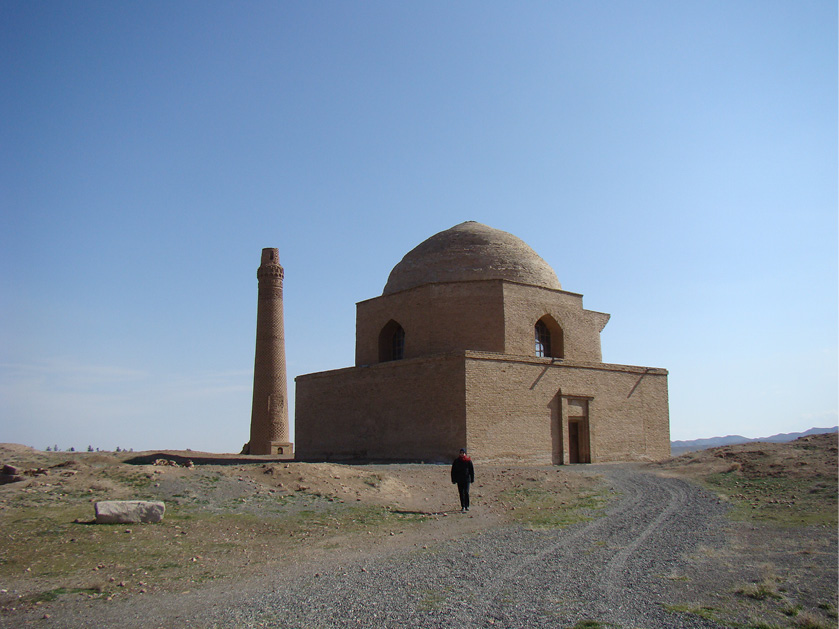
Plate IV. The tomb of Arsalān Jāḏeb in Sangbast. Photograph courtesy of the author.
The archaeological site of Sangbast, some 40 km south of Mashhad, contains some of the most important monuments of Islamic Khorasan. The oldest monument of this site is a buried caravanserai, which reportedly was constructed by Arsalān Jāḏeb, the governor of Ṭus under Sultan Maḥmud (r. 998-1030). The entrance portal of the caravanserai was flanked by two brick minarets; one has survived. According to historical documents, Arsalān Jāḏeb was buried at the caravanserai and a mausoleum was erected above his grave. The tomb of Arsalān Jāḏeb in the vicinity of the caravanserai is a brick construction with a rectangular plan and a low-rise dome established on an octagonal drum (PLATE IV; R. Labbaf-Khaniki, 1999a, pp. 43-46; Musātabār and Ṣāleḥi Kāḵki; see ĀSTĀN-E QODS-E RAŻAWI).
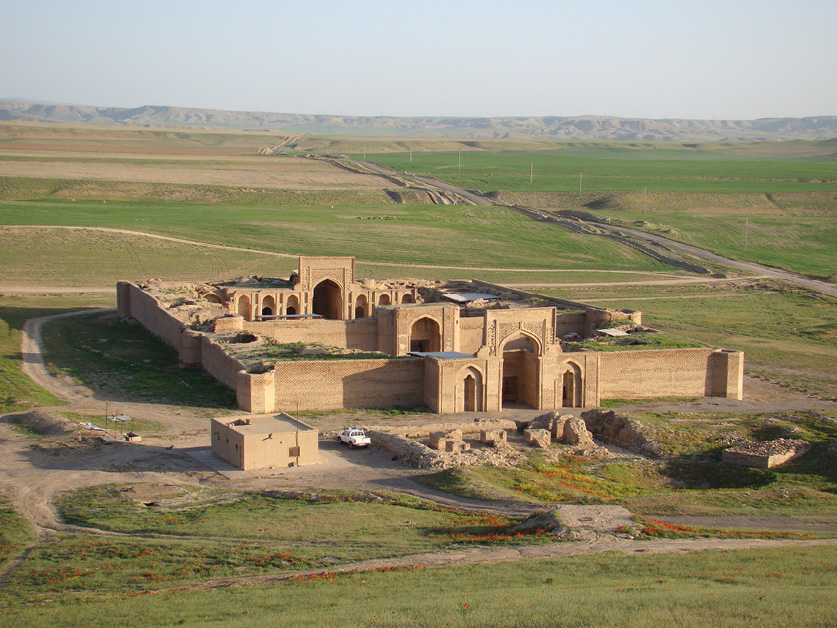
Plate V. Robāṭ Šaraf. Photograph courtesy of the author.
Khorasan, as the gate to the Iranian plateau, served as a connecting bridge between the east and west of the Old World. Accordingly, one of the most important caravanserais along the Silk Road was established in the heart of Khorasan. Robāṭ Šaraf (PLATE V) located between Nishapur and Marv was constructed in the 12th century CE, probably on the ruins of an older caravanserai called Abkina by Ebn Ḵordāḏbeh (q.v.; p. 24). Robāṭ Šaraf includes two courts, each overlooked by four ayvāns facing each other. The façades of the ayvāns are decorated with ornamental brickwork and sanctuaries (meḥrābs) and the interior façades of the ayvāns are covered with stuccoes including Arabic inscriptions in Kufic and ṯolṯ scripts (Dānešdust; M. Labbaf-Khaniki, 2006; see CALLIGRAPHY).
In the middle of the ancient city of Zuzan, the remains of a great medieval monument called Malek Zuzan mosque-madrasa have survived. The preserved portions of two ayvāns standing within 45 m of each other are decorated with a combination of tile and brickwork, including an inscription in nasḵ script that bears the date of construction of the building in 616/1219 (Blair; Adle; R. Labbaf-Khaniki, 1999b). The archaeological excavations at this mosque revealed the remains of an older mosque that includes a magnificent meḥrāb dating to the Saljuq period (R. Labbaf-Khaniki, 1999b).
The Masjed-e Jāmeʿ of Gonābād (q.v.) is the first mosque of Khorasan that was planned in a two-ayvān style. This mosque was built in 609/1212 in the vicinity of an older mosque and was expanded in the Il-Khanid period. The façade of the main ayvān is covered with brickwork including Kufic inscriptions and geometric motifs (Zamāni). The Masjed-e Jāmeʿ of Ferdows (q.v.), another mosque of Khorasan, was constructed in the early 13th century CE with two ayvāns. This mosque is also decorated with brickwork that was occasionally combined with tile work (R. Labbaf-Khaniki and Ṣāber Moqaddam, 2006, pp. 26-27). The Masjed-e Jāmeʿ of Sangān was built contemporaneously with the mosques of Zuzan, Gonābād, and Ferdows, with two ayvāns, one of which is preserved. The mosque of Sangān was also decorated with carved and molded bricks mixed with tile work (R. Labbaf-Khaniki and Ṣāber Moqaddam, pp. 28-29).
About 40 km northeast of Zuzan, there is the ruined city of Ḵargerd. The only surviving monument of the city is the Ḡiāṯiya Madrasa. The plan of this monument is in the form of a rectangle of dimensions 56 m × 44 m, and the entrance ayvān is located at the middle of the northeastern side. It has two main rooms serving as mosque and madrasa. A decorated meḥrāb adorned with colorful tilework is installed on the qebla wall of the mosque. The central court has a four-ayvān plan, and the end wall of each ayvān was decorated with moqarnas and painted panels. According to an inscription, the madrasa was established by the well-known architect of the Timurid period, Qewām-al-Din Širāzi and his brother Ḡiāṯ-al-Din Širāzi (q.v.) in 848/1444 (O’Kane, 1976). Qewām-al-Din carried out some other architectural masterpieces of Greater Khorasan including the ḵānaqāh and madrasa for Šāhroḵ (r. 1405-1447) at Herat (812/1410); the so-called moṣallā (an open plain), madrasa, and mosque for Gowhar-šād Āḡā (q.v.) at Herat (819-40/1417-37); the shrine of ʿAbd-Allāh Anṣāri (q.v) at Gāzorgāh (q.v.), near Herat, for Šāhroḵ (828/1425 and 831/1428); and the Gowhar-šād Mosque (q.v.) at Mashhad (820/1418; Wilber, p. 32). The latter is one of the largest four-ayvān mosques in Iran that was built in the reign of Šāhroḵ. The main ayvān is flanked by two minarets that are approximately 40 m in height. The decorations of this mosque have been repeatedly changed and replaced throughout history and the only intact element is the moqarnas installed on the ending wall of a maqṣura (annex) ayvān (Pope, pp. 1016, 1124-26, 1133, 1791; Eʿtemād-al-Salṭana, Maṭlaʿ, pp. 137-52).
Another Timurid monument of Mashhad is the Masjed‑e Šāh; it contains an ayvān, two minarets decorated with tile works, the domed čahārṭāq in the center, and some lateral rooms. The Masjed-e Šāh served as both a mosque and a mausoleum and was originally built as the tomb of Amir Ḡiāṯ-al-Din Malekšāh in the 15th century CE, the Timurid governor of Mashhad (R. Labbaf-Khaniki and Ṣāber Moqaddam, pp. 74-75).
The most important monument of Khorasan is the mausoleum of Imam Reżā (see ʿALI AL-REŻĀ), the eighth Imam of the Emāmi Shiʿites, located in the center of Mashhad (see ĀSTĀN-E QODS-E RAŻAWI). Imam Reżā was buried after his death in the mausoleum, which was constructed originally as the tomb of Hārun al-Rašid (q.v.), the fifth ʿAbbasid caliph. According to historical accounts and archaeological investigations, the earliest structure of Imam Reżā’s tomb was similar to the Sasanian čahārṭāqs and resembled the tombs of Amir Esmāʿil Sāmāni in Bukhara (q.v.) and Amir Arsalān Jāḏeb in Sangbast (Sayyedi, pp. 20-21). The Imam Reżā mausoleum was expanded in the Samanid and Ghaznavid (q.v.) periods, and the dome chamber of the tomb was decorated with precious luster tilework in the Ḵᵛārazmšāhid period (see CHORASMIA ii; KHWARAZMSHAHS). In the Il-Khanid period, the mausoleum was developed, and some ayvāns and minarets were added to the tomb. According to Ebn Baṭṭuṭa (q.v.; 703-770/1304-69), the mausoleum of Imam Reżā was situated in the vicinity of a madrasa and a mosque. Šāhroḵ and his wife Gowhar-šād ordered the construction of two large halls, called Dār al-Ḥoffāẓ and Dār al-Siāda, to the south and west of the mausoleum. The madrasa of Bālāsar was also built in the vicinity of Dār al-Siāda. The shrine-complex flourished in the Safavid (q.v.) period, and two powerful Safavid sultans, Shah Esmāʿil I (r. 1501-24) and Shah Ṭahmāsp I (q.v.; r. 1524-76), endeavored to promote the compound. At Shah Ṭahmāsp’s command, the exterior façade of the dome was gilded, and Shah ʿAbbās I (q.v.; r. 1588-1629) developed the main court and established two ayvāns on the eastern and western sides of the court. He commanded also the construction of a large ayvān on the northern side, which is known nowadays as Ayvān-e ʿAbbāsi. In the 19th and 20th centuries, some courts and minarets were restored or constructed under Qajar and Pahlavi governors, and the development operations are still continuing (R. Labbaf-Khaniki, 1999a, pp. 34-42; Moʾtaman).
Another important architectural compound of Khorasan is the complex of Shaikh Aḥmad-e Jām (q.v.) located in the eastern area of the modern city of Torbat-e Jām. The compound includes some ten buildings situated around a vast open court. The highest structure is an ayvān rising to 30 m situated on the southern side of the court (O’Kane, 1979, p. 97). The ayvān is flanked by two buildings on the left and right, called Masjed-e Kermāni and Gonbad-e Safid, respectively. The Masjed-e Kermāni was founded on a rectangular plan and roofed with a lighted cupola. A sumptuously carved stucco meḥrāb is situated in the central aisle following the Il-Khanid style. Much smaller than the Masjed-e Kermāni, the Gonbad-e Safid is a square with deep recesses on the north and south and shallow ones on the east and west (Golombek, pp. 36-37). The central, high ayvān leads to a dome chamber that was once erected as a single building. According to the archaeological investigations, the dome chamber was established in 633/1235 and then restored twice in 763/1361 and 771/1369 (R. Labbaf-Khaniki, 1999a, p. 58). Another important building of the compound of Aḥmad-e Jām is Gonbad-e Firuzšāhi, located to the northwest of the complex, erected on a cruciform plan mounted by a turquoise dome. This dome chamber is the surviving portion of the Firuzšāhi Madrasa that had been destroyed but was reconstructed recently (O’Kane, 1979, pp. 99-101).
There is another architectural compound in Tāybād, some 60 km southeast of Torbat-e Jām that was established around the mausoleum of Shaikh Zayn-al-Din Abu Bakr Tāybādi. The mosque next to the tomb has a high-entrance ayvān leading to a dome chamber, flanked with two porticos (ravāq). The dome chamber has a cruciform plan, and the interior walls are covered with moqarnas, murals, and inscriptions (O’Kane, 1979, pp. 87-96).
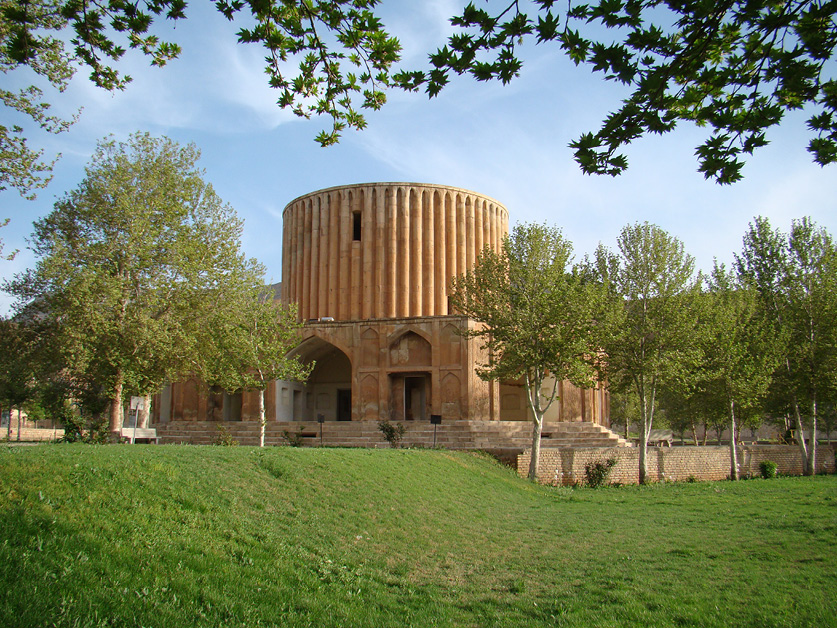
Plate VI. ʿEmārat-e Ḵoršid in Kalāt-e Nāderi. Photograph courtesy of the author.
The most important Afsharid (q.v.) monument of Khorasan is an unfinished edifice, the ʿEmārat-e Ḵoršid (PLATE VI), located in Kalāt-e Nāderi (q.v.). Although popularly known as Qaṣr-e Ḵoršid (Palace of Ḵoršid), it was, in fact, established as the tomb of Nāder Shah (q.v.; r. 1736-47). The ʿEmārat-e Ḵoršid, a brick building with an octagonal plan in two stories, has been covered with carved alabaster (R. Labbaf-Khaniki, 1998). A strange cylindered structure has been raised up from the ceiling, probably the drum portion of a dome that was never finished.
Approximately 300 m east of ʿEmārat-e Ḵoršid, there is a mosque that was originally built above an Il-Khanid tomb. This mosque, called Kabud Gonbad, has four asymmetrical ayvāns and two šabestāns, upon one of which the dome is placed, decorated with colorful tilework dominated by blue tiles (R. Labbaf-Khaniki and Ṣāber Moqaddam, pp. 50-51).
Kalāt-e Nāderi, the main stronghold of Nāder Shah Afšār, is located in a strategic valley embraced by natural steep cliffs and equipped with linear walls and a sequence of towers and keeps. These defensive installations are a portion of a system of defense that provided Khorasan with a northern barrier against raiders from the Central Asian steppes (M. Labbaf-Khaniki, 2013).
As the main invaders of Khorasan, Turkmen continued to plunder the settlements until the late Qajar period. To provide a defense against the Turkmen invasions, some barriers were established along the border of Khorasan. The remains of linear walls and keep towers on the Kopet-Dag ranges in Mazdurān and Āq-Darband reflect the challenge of security in this region (M. Labbaf-Khaniki, 2014a, pp. 438-39). Moreover, the strategic city of Saraḵs in the northeastern corner of Iran was enclosed by a massive wall equipped with bastions, providing a garrison for the Persian military force against Turkmen threats (Riāżi Heravi, p. 73; Eʿtemād-al-Salṭana, 1988, pp. 1815-16).
The main contemporary monuments of Khorasan were created with the contribution of the Anjoman-e Āṯār-e Melli (q.v.; The National Monuments Council of Iran) during Moḥammad Reżā Pahlavi’s reign (1941-79). Regarding the prominent historical figures of Khorasan and their works and professions, Anjoman-e Āṯār-e Melli created the magnificent monuments for Ferdowsi in Ṭus, Nāder Shah in Mashhad, Mollā Hosayn Wāʿeẓ Kāšefi (q.v.) in Sabzavār, Ebn Yamin (q.v.) in Faryumad (q.v.), Farid-al-Din Aṭṭār, Omar Khayyam, and Kamāl-al-Molk (qq.v.) in Nishapur; all are considered as contemporary architectural masterpieces of Khorasan (Baḥr-al-ʿOlumi).
Bibliography
- Qorbān ʿAli Abbāsi, Gozāreš-e pāyāni-e kāvošhā-ye bāstān-šenāḵti-e Narges Tappa Dašt-e Gorgān, Tehran, 2011.
- Chahryar Adle, “La reconstruction photogrammétrique de la mosquée-médressé de Zuzan: Un dernier chef-d’oeuvre d’architecture Islamique avant l’invasion Mongole: Étude et relevé,” Fondation Max van Berchem Bulletin 4, 1990, pp. 1-3.
- Ḡolām-Ḥosayn Afżal-al-Molk, Safarnāma-ye Ḵorāsān va Kermān, ed. Qodrat-Allāh Rowšani, Tehran, 1903; repr., 2004.
- Ali Ariai and Claude Thibault, “Nouvelles précisions à propos de l’outillage paléolithique ancien sur galets du Khorassan (Iran),” Paléorient 3, 1975-77, pp. 101-8.
- Guitty Azarpay, Sogdian Painting: The Pictorial Epic in Oriental Art, Berkeley, Calif., 1981.
- Ḥosayn Baḥr-al-ʿOlumi, Kārnāma-ye Anjoman-e Āṯār-e Melli az āḡāz ta 2535 šāhanšāhi, Tehran, 1976.
- F. Biglari, “Moruri bar bāstānšenasi-e dawrān-e pārina sangi dar Ḵorāsān bā taʾkid bar moḥawata-hā-ye Kašaf-rud,” in M. Labbaf-Khaniki, ed., Gozāri bar bāstānšenāsi-e Ḵorāsān, Tehran, 2015, pp. 16-24.
- Sheila S. Blair, “The Madrasa at Zuzan: Islamic Architecture in Eastern Iran on the Eve of the Mongol Invasions,” Muqarnas 3, 1985, pp. 75-91.
- Bundahišn, ed. and tr. Behramgore T. Anklesaria, as Zand-ākāsīh: Iranian or Greater Bundahišn, Bombay, 1956; ed. Fazollah Pakzad [Fażl-Allāh Pākzād], as Bundahišn: Zoroastrische Kosmogonie und Kosmologie, Tehran, 2005 (cited by paragraph); tr. Mehrdād Bahār, as Bondaheš, Tehran, 1990; repr. 2016.
- J. and A. Chassagnoux, “Atesh-Kadeh dans un village Kurde près de Robat-Qarehbil,” Studia Iranica 4/2, 1975, pp. 261-65.
- Carleton Stevens Coon, Cave Explorations in Iran, 1949, Philadelphia, 1951.
- Vaughn E. Crawford, “Beside the Kara Su,” The Metropolitan Museum of Art Bulletin 21/8, 1963, pp. 263-73.
- Yaʿqub Dānešdust, “Robāṭ Šaraf,” Aṯar 5, 1981, pp. 1-39.
- Touraj Daryaee, ed. and tr., Šahrestānīhā ī Ērānšahr: A Middle Persian Text on Late Antique Geography, Epic, and History, Costa Mesa, Calif., 2002.
- Jean Deshayes, “La Xle campagne de fouille à Tureng Tepe (17 juillet-7 septembre 1975),” Paléorient 2/2, 1974, pp. 491-94.
- Abu’l-Qāsem ʿObayd-Allāh Ebn. Ḵordāḏbeh, Ketāb al-masālek wa’l-mamālek, ed. M. J. de Goeje, Leiden, 1889.
- Moḥammad Ḥasan Khan Eʿtemād-al-Salṭana, Maṭlaʿ al-šams II, Tehran, 1884-86; repr. 1976.
- Idem, Tāriḵ-e montaẓam-e nāṣeri III, ed., Moḥammad ʿEsmāʿil Reżvāni, Tehran, 1988.
- ʿOmrān Gārāžiān, “Gozāreš-e kāvoš-e bāstānšenāsi-e Tappa Qalʿa Khan,” The Iranian Center for Archaeological Research (unpublished report), Tehran, 2006.
- Idem, “Šaklgiri va tawseʿa-ye farhang-e rustānešini (naw-sangi va mes-sangi) dar Ḵorāsān,” in M. Labbaf-Khaniki, ed., Gozāri bar bāstānšenāsi-e Ḵorāsān, Tehran, 2015, pp. 25-40.
- O. Gārāžiān, Javād Jaʿfari, and ʿAli Hožabri, “Gozāreš-e pažuhešhā-ye bāstānšnāsi be manẓur-e mostanadsāzi-e sāḵtārhā-ye meʿmāri-e Tappa Qalʿa Ḵān Samalqān, Ḵorāsān …” Pažuhešhā-ye Bāstānšenāsi 2/3, 2010, pp. 161-99.
- Lisa Golombek, “The Chronology of Turbat-i Shaikh Jām,” Iran 9, 1971, pp. 27-44.
- Frantz Grenet, “Découverte d’un relief sassanide dans le nord de l’Afghanistan,” Comptes Rendus des Séances de l’Académie des Inscriptions et Belles-Lettres 149/1, 2005, pp. 115-34.
- Frantz Grenet, Jonathan Lee, Philippe Martinez, and François Ory, “The Sasanian Relief at Rag-i Bibi (Northern Afghanistan),” in Joe Cribb and Georgina Herrmann, eds., After Alexander: Central Asia before Islam, Oxford, 2007, pp. 243-67.
- Ḥasan Hāšemi Zarjābād, Farhang Ḵādemi Nadušan, Mahdi Musavi Kuhpar, and Javād Neyestāni, “Čahārtāqi-e Ḵāna Div, ātaškadai nowyāfta az dawra-ye Sāsāni,” Bāḡ-e Naẓar 15, 2010, pp. 79-92. Walter Bruno Henning, “A New Parthian Inscription,” JRAS 3/4, 1953, pp. 132-36.
- Antonio Invernizzi, “The Square House at Old Nisa,” Parthica 2, 2000, pp. 13-53.
- Idem, “Arsacid Palaces,” in I. Nielsen, ed., The Royal Palace Institution in the First Millennium BC: Regional Development and Cultural Interchange between East and West, Aarhus, 2001, pp. 295-315.
- Idem, “Nisa,” Encyclopædia Iranica Online, http://dx.doi.org/10.1163/2330-4804_EIRO_COM_10430.
- Moḥammad Javād Jaʿfari, “Ḵorāsān az dawrān-e pādešāhi-e Haḵāmanešiān tā pāyān-e šāhanšāhi-e Pārthā,” in M. Labbaf-Khaniki, ed., Gozāri bar bāstānšenāsi-e Ḵorāsān, Tehran, 2015, pp. 52-60.
- Barbara Kaim, Zaratusztryiska świątynia ognia: Odkrycia w Turkmenistanie (Zoroastrian fire temple: Five years of excavations at Mele Hairam in southern Turkmenistan), Warsaw, 2001.
- Idem, “Ancient Fire Temples in the Light of the Discovery at Mele Hairam,” Iranica Antiqua 39, 2004, pp. 323-37.
- Barbara Kaim and Hassan Hashemi, “Khone-Ye Div: Preliminary Report on the First Season of Irano-Polish Excavations,” Polish Archaeology in the Mediterranean 19, 2007, pp. 603-611.
- M. Labbaf-Khaniki, “Taʾamoli dar plān-e čalipāyi-e kāḵhā-ye Irān va sarzaminhā-ye mojāwer,” in B. Āyatollahzāda Širāzi, ed., Sevomin kongera-ye tāriḵ-e meʿmāri va šahrsāzi, Tehran, 2006, pp. 305-32.
- Idem, “Divārhā-ye defāʿi-e Kalāt,” Majmuʿa maqālāt-e hamāyeš-e melli-e bāstānšenāsi-e Iran, Birjand, 2013, pp. 1-13.
- Idem, “Divārhā-ye defāʿi-e Ḵorāsān,” Majmuʿa maqālāt-e hamāyeš-e bayn al-melali-e bāstānšenāsān-e javān, 2014a, Tehran, pp. 437-46.
- Idem, “Taʾsirāt-e motaqābel-e Nišāpur va rāh-e abrišam dar dawra-ye Sāsāni,” Moṭāleʿāt-e Bāstanšenāsi 6, 2014b, pp. 87-97.
- Idem, “Excavations at Bazeh Hur in North-Eastern Iran: A Preliminary Report,” Iran 55, 2017, pp. 253-70.
- Idem, “Dovomin faṣl-e kāvoš va gamānazani-e bāstānšenāsi dar moḥawaṭa-ye tāriḵi-e Bāzeh Ḥur, šaḥrestān-e Mašhad, ostān-e Ḵorāsān-e Rażawi,” in R. Širazi, ed., Šānzdahomin gerdahamāi-e sālāna-ye bāstānšenāsi-e Irān, Tehran, 2018, pp. 414-17.
- Rajab ʿAli Labbaf-Khaniki, “Pažuheš va gamānazani dar ʿEmārat-e Ḵoršid-e Kalāt-e Nāder,” Aṯar 29-30, 1998, pp. 168-86.
- Idem, Simā-ye mirāṯ-e farhangi-e Ḵorāsān, Mashhad, 1999a.
- Idem, “Sayr-e taḥawwol-e Masjed Jāmeʿ-e Zuzan,” in M. Qarečamani, ed., Majmuʿa maqālāt-e hamāyeš-e meʿmāri-e masjed, gozašta, hāl, āyanda, Tehran, 1999b, pp. 565-90.
- Idem, “Gozāreš-e kāvoš-e bāstānšenāsi-e Šād Yāḵ: Fasl-e panjom,” Iranian Cultural Heritage, Handicrafts, and Tourism Office of Ḵorāsān-e Rażawi (unpublished report), Mashhad, 2004.
- Idem, “Taʾamoli dar nām-e Robāṭ Šaraf,” in Bāqer Ayat-Allāhzāda Širāzi, ed., Majmuʿa maqālāt-e sevomin kongere-ye tāriḵ-e meʿmāri va šahrsāzi-e Iran II, Tehran, 2006, pp. 86-98.
- Idem, “Ārāmgāh-e Ḡazāli,” Pāž 3, 2008, pp. 47-74.
- Idem, “Negāhi be masājed-e Qāʾen dar kāvošhā-ye bāstānšenāsi,” Pāž 10, 2012, pp. 101-9.
- R. and M. Labbaf-Khaniki, “Šād Yāḵ yek barrasi-e tāriḵi va bāstānšenāsi,” Moṭāleʿāt va taḥqiqāt-e tāriḵi 15, 2007, pp. 125-46.
- Idem, “Meʿmāri-e kohandež-e Nišāpur dar dawra-ye Sāsāni,” in Ḥamid Fahimi and Karim ʿAlizāda, eds., Nāmvārnāma: maqālahā-ye dar pāsdāšt-e yād-e Masʿud Āzarnuš, Tehran, 2012, pp. 327-46.
- R. Labbaf-Khaniki and Rasul Baššāš, Selsela maqālāt-e pažuheši-e mirāṯ-e farhangi-e kešvar I: Sangnegāra-ye Lāḵ-Mazār, Tehran, 1994.
- R. Labbaf-Khaniki and F. Ṣāber Moqaddam, Masājed-e Ḵorāsān: Az āḡāz tā dawrān-e moʿāṣer, Tehran, 2006.
- Jonathan L. Lee and Frantz Grenet, “New Light on the Sasanid Painting at Ghulbiyan, Faryab Province, Afghanistan,” South Asian Studies 14/1, 1998, pp. 75-85.
- P. Leriche, “Les remparts d’Aï-Khanoum et l’évolution de l’architecture défensive en Asie centrale à l’époque hellénistique,” in M. Mactoux and E. Geny, eds., Mélanges Pierre Lévêque V: Anthropologie et société, Besançon, 1990, pp. 207-17.
- V. A. Livshits, “Parthians Joking,” Manuscripta Orientalia: International Journal for Oriental Manuscript Research 8/1, 2002, pp. 27-35.
- V. M. Masson and V. I. Sarianidi, Central Asia: Turkmenia before the Achaemenids, London, 1972.
- Markus Mode, “The Great God of Dokhtar‐e Noshirwān (Nigār),” East and West 42, 1992, pp. 473-83.
- ʿA. Moʾtaman, Tāriḵ-e Āstān-e Qods-e Rażawi, Tehran, 1969.
- Najma Musātabār and Aḥmad Ṣāleḥi Kāḵki, “Bāznegari-e plān va tazʾināt-e maqbara-ye Arsalān Jāḏeb va Mil-e Ayāz dar dawra-ye Ḡaznavi,” Faṣl-nāma-ye honar va tamaddon-e šarq 9, 2015, pp. 11-24.
- Boqrāṭ Nāderi, “Masjed-e Jāmeʿ Qāʾen,” Aṯar 1/3, 1980, pp. 103-7.
- Ḥasan Nāmi, Bahman Firuzmandi, and Moḥammad E. Esmāʿili Jelodār, “Taḥlil va gāhnegāri-e pišnahādi-e šahr-e aškāni ‘Šahr Tappa’ Čāpešlu dar šahrestān-e Dargaz, šemāl-e šarq-e Irān,” Pažuhešhā-ye bāstānšenāsi-e Irān 13, 2017, pp. 123-42.
- Bernard O’Kane, “The Madrasa Al-Ghiyās̱īyya at Khargird,” Iran 14, 1976, pp. 79-92.
- Idem, “Tāybād, Turbat-i Jām and Timurid Vaulting,” Iran 17, 1979, pp. 87-104.
- Arthur Upham Pope, ed., A Survey of Persian Art from Prehistoric Times to the Present, 6 vols., Oxford, 1938-39.
- Galina A. Pugachenkova, Puti razvitiya arkhitektury Yuzhnogo Turkmenistana pory rabovladeniya i feodalizma (Ways of development of architecture in southern Turkmenistan in the period of slave-owning and feudalism), Moscow, 1958.
- Raphael Pumpelly, Exploration in Turkestan, Expedition of 1904: Prehistoric Civilisations of Anau I, Washington, D.C., 1908.
- Mehdi Rahbar, “Découverte d’un monument d’époque Sassanide à Bandian, Dargaz (Nord Khorasan): Fouilles 1994 et 1995,” Studia Iranica 27/2, 1998, pp. 213-50.
- Idem, “À Dargaz (Khorasan): découvertes de panneaux de stucs Sassanides,” Dossiers d’Archéologie 243, 1999, pp. 62-65.
- Idem, “Le monument Sassanide de Bandian, Dargaz: Un temple du feu d’aprés les dernières découvertes 1996-98,” Studia Iranica 33/1, 2004, pp. 7-30.
- R. Rante and A. Collinet, Nishapur Revisited: Stratigraphy and Ceramics of the Qohandez, Oxford, 2013.
- C. Rapin and F. Grenet, “Les Inscriptions économiques de la trésorerie hellénistique d’Aï Khanoum (Afghanistan): L’onomastique Iranienne à Aï Khanoum,” Bulletin de correspondance hellénique 107/1, 1983, pp. 315-81.
- Moḥammad Yusof Riāżi Heravi, ʿAyn al-waqāyeʿ, ed., M. A. Fekrat, Tehran, 1993.
- Mahdi Sayyedi, Tāriḵ-e šahr-e Mašhad, Tehran, 1999.
- St. John Simpson, “Suburb or Slum? Excavations at Merv (Turkmenistan) and Observations on Stratigraphy, Refuse and Material Culture in a Sasanian City,” in Derek Kennet and Paul Luft, eds., Current Research in Sasanian Archaeology, Art and History: Proceedings of a Conference held at Durham University, November 3rd and 4th, 2001, Oxford, 2008, pp. 65-78.
- M. Sprengling, Third Century Iran: Sapor and Kartir, Chicago, 1953.
- Abu Manṣur ʿAbd-al-Malek Ṯaʿālebi, Ḡorar aḵbār moluk al-fors, ed. and tr. Hermann Zotenberg, as Histoire des rois des Perses, Paris, 1900; Pers. tr. Maḥmud Hedāyat, as Šāh-nāma-ye Ṯaʿālebi dar şarḥ-e aḥwāl-e salāṭin-e Irān, Tehran, 1949; repr. 2005.
- Claude Thibault, “Outillage archaïque sur galets dans le Khorassan (Est de l’Iran),” Bulletin de la Société Préhistorique Française 72/8, 1975, p. 226.
- J. Thomalsky, “Tappeh Rivi, Iran: Die iranisch-deutschen Arbeiten des Jahres 2016,” Deutsches Archäologisches Institut, available at https://publications.dainst.org/journals/efb/1543/4450 (accessed on 4 March 2019).
- Maḥmud Toḡrāʾi, “Gozāreš-e kāvoš-e bāstānšenāsi-e masjed jāmeʿ-madrasa-ye Ṭus,” Iranian Cultural Heritage, Handicrafts, and Tourism Office of Ḵorāsān-e Rażawi (unpublished report), Mashhad, 2003.
- Fāyeq Towḥidi, “Banā-ye sangi-e Aspāḵu (mašhur be Kelisā-ye Aspāḵu),” Banāhā-ye tāriḵi-e Irān 1, 1978, pp. 10-17.
- ʿAli Akbar Vaḥdati, “ʿAṣr-e mefraḡ va āhan dar Ḵorāsān (3000-500 BC),” in M. Labbaf-Khaniki, ed., Gozāri bar bāstānšenāsi-ye Ḵorāsān, Tehran, 2015, pp. 41-51.
- R. Venco Ricciardi, “Archaeological Survey in the Upper Atrek Valley (Khorasan, Iran): Preliminary Report,” Mesopotamia 15, 1980, pp. 51-72.
- Serge Veuve, “Fouilles d’Aï Khanoum VI: Le Gymnase: Architecture, Céramique, Sculpture,” Mémoires de la Délélgation archéologique française en Afghanitan 30, Paris, 1987.
- Donald Wilber, “Qavam al-Din ibn Zayn al-Din Shirazi: A Fifteenth-Century Timurid Architect,” Architectural History 30, 1987, pp. 31-44.
- Charles K. Wilkinson, Nishapur: Some Early Islamic Buildings and Their Decoration, New York, 1986.
- ʿAbbās Zamāni, “Masjed Jāmeʿ-e Gonābād,” Honar o Mardom 92, 1960, pp. 6-14.
- ʿAli Zāreʿi, Moḥammad Reża Soruš, and Ḥasan Karimiān, “Tāriḵča-ye moṭāleʿāt va pažuhešhā-ye bāstānšenāsi-e janub-e Ḵorāsān,” Moṭāleʿat-e farhangi ejtemāʿi-e Ḵorāsān 22-23, 2012, pp. 27-60.