



Linseed oil (rowḡān-e kattān) is a product of cultivated linseed or flax (Linum usitatissimum L.). Rahimi-Laridjani suggests that the term semsem ‘sesame’ would be used for the oil-extraction variety of flax (p. 136). Although “sesame” (Mid. Pers. konǰid; ŠMg < Aram. šmšmʾ) appears twice in the Bundahišn (q.v.; TD1, fols. 38r, 48r; ed. Bahār, pp. 78, 88; Laufer, p. 192-93), kattān is absent from it.
According to Berthold Laufer (1874-1934) flax was cultivated in ancient Persia as a source of linseed and linseed oil (p. 294). Flax as an oil plant seems to have been replaced by sesame because sesame oil is tastier and more suitable for cooking than linseed oil which is used more in oriental folk medicine and as lamp oil (Rahimi-Laridjani, p. 136) and also in varnish and ink making (see LIGHTING EQUIPMENT AND HEATING FUEL).
The medicinal properties of linseed oil are highlighted in nearly all medieval and modern herbal books. Abu Manṣur Mowaffaq Heravi (q.v.) mentions linseed oil (rowḡan-e bazr-e kattān) only once and attributes it a dry and warm humor (p. 140). In other medicinal preparations concerning flax seeds (bazr-e kattān) the author does not mention linseed oil but the ground, crashed, or roasted seeds mixed up with other flora (p. 269). His contemporary Aḥmad Aḵawayni Boḵāri (q.v.) does not mention linseed oil, but describes the usage of linseed mucilage (loʿāb-e toḵm-e kattān) or boiled seeds in milk (pp. 534, 504, 620). Two centuries later, another physician, Sayyed Esmāʿil Jorjāni (q.v.), mentions in his book, Ḏaḵira-ye ḵvārazmšāhi (q.v.), the use of the boiled linseed oil or its sediment (dordi) in many of his recipes (III, p. 571; VI, p. 320; VII, p. 135). The medicinal properties of linseed oil were mentioned, for example, in the 17th century Toḥfa-ye Ḥakim Mo ʾ men (Moʾmen, pp. 709, 1172) and Maḵzan al-adwia written at the end of the 18th century (ʿAqili Ḵorāsāni Širāzi, p. 821), and continued to be recounted in herbal medicinal books in Persian until the 20th century.
ʿAqili Ḵorāsāni Širāzi also describes ink-making with the soot (duda) of linseed oil. However, the best description of black ink (morakkab) preparation is provided by the Safavid historian Qāżi Aḥmad Monši Qomi in his Golestān-e honar (q.v.): The soot of linseed oil (rowḡan-e baḏrak) is gathered in a piece of paper from the bottom of an earthen (sofālina) oil lamp (for oil lamps see Olmer, pp. 93-94). The paper is covered by a paste and put in an oven and heated so that the soot loses its oil. It is then ready to make the ink (p. 168; tr. Minorsky, p. 199).
According to the Borhān-e qāteʿ (q.v.), lamp oil (rowḡan-e čerāḡ) was made from linseed (baḏrak; Ḵalaf Tabrizi, I, p. 272) and its soot was also employed in ink-making.
Moreover, linseed oil was used in preparation of a varnish applied over paintings. This varnish was called rowḡan-e kamān by Sādeq Ṣādeqi Afšār (1533-1610) and was made of a mixture of sandarac (Tetraclinis articulata L.; Pers. sandarus) and linseed oil boiled in a pot (Ṣādeqi Afšār, pp. 163-64). According to a medical textbook, attributed to Ḥakim Ṭuluzān Yunāni (tr. into Turkish in 1505 and then into Persian in India), the oil of sandarac, which was used by painters as a varnish (jalā), was made of sandarac and linseed oil and used by lacquers (kamāngarān) and painters (p. 55). Jean Chardin (Sir John Chardin, q.v.; 1643-1713) describes the preparation of the same varnish, which was applied on lapis-lazuli to give it a gloss (V, p. 204).
Finally, the extraction of linseed or cotton oil is described briefly by Ḥāfeẓ Eṣfahāni (q.v.), who invented a fully mechanized oil extractor, powered by water to replace animal-driven mills (ed. Bineš, p. 96; Mohebbi, p. 163). His invention being forgotten, Mirzā Ḥosayn Khan Taḥwildār, in the 19th century, describes in detail a common oil extractor (ʿaṣṣāri or bazr-ḵāna), which used two mill stones, a vertical one rotating over a fixed horizontal one (Figure 1), crushing the flax or other seeds which were then put under pressure to yield oil (Taḥwildār, p. 109). Elisabeth Beazley (p. 93, note 15), in 1961, saw such a linseed mill in the bazaar in Isfahan, powered by camels, which was then fully described by Hans Wulff (pp. 296-300) and more recently in an article by ʿAli-Reżā Morādi.
Although these authors refer to the oil presses in the urban areas, the rural areas, less documented, had certainly used such presses. A rare example of a rural oil extractor is given by Ḥāfeẓ Eṣfahāni at the end of 15th century when he visited an oil production establishment in a village (qarya) near Sarakhs. He described it as “an oil workshop powered by animals (kārḵāna-ye ʿaṣṣāri keh beh ʿavāmel ma ʿ mul bud)” (Ḥāfeẓ Eṣfahāni, p. 90).
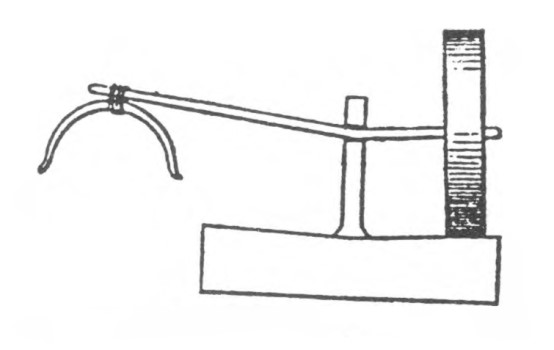
Figure 1. Schematic representation of a mill system (Olmer, p. 80)
Bibliography
- Abu Bakr Rabiʿ b. Aḥmad Aḵawayni Boḵāri, Hedāyat al-motoʿallemin fi’l-ṭebb, Mashhad, 1982.
- Moḥammad Ḥosayn ʿAqili Ḵorāsāni Širāzi, Maḵzan al-adwia, ed. Moḥammad Reżā Šams Ardakāni et al., Tehran, 2007.
- Mehrdād Bahār, ed. and tr., Bundahiš, Tehran, 1990.
- Thomas W. Beale, “Early Trade in Highland Iran: A View from a Source Area,” World Archaeology 5/2, 1973, pp. 133-48.
- Elisabeth Beazley, “Some Vernacular Buildings of the Iranian Plateau,” Iran 15, 1977, pp. 89-102.
- Jean Chardin, Voyages du Chevalier Chardin en Perse, et autres lieux de l’Orient, ed. Louis-Mathieu Langlès, 10 vols., Paris, 1811.
- Alan Durrant, “Flax and Linseed,” in Norman W. Simmonds ed., Evolution of Crop Plants, New York, 1976, pp. 190-93.
- Mawlānā Moḥammad Ḥāfeẓ Eṣfahāni, Se resāla dar eḵterāʿāt-e ṣanʿati, sāʿat, āsiā, dastgāh-e rowḡan-keši, natijat al-dawla, ed. Taqi Bineš, Tehran, 1971.
- Jack R. Harlan, “Plant Domestication: Diffuse Origins and Diffusions,” in Claudio Barigozzi, ed., The Origin and Domestication of Cultivated Plants, New York, 1986, pp. 21-34.
- Moḥammad Ḥasandust, Farhang-e riša šenāḵti-e zabān-e Fārsi, 5 vols., Tehran, 2004-2014.
- Hans Helbaek, “Plant Collecting, Dry-Farming, and Irrigation Agriculture in Prehistoric Deh Luran,” in Frank Hole, Kent V. Flannery, and James A. Neely, eds., Prehistory and Human Ecology of the Deh Luran Plain: An Early Village Sequence from Khuzistan, Iran, Ann Arbor, Mich., 1969, pp. 383-426.
- Abu Manṣur Mowaffaq b. ʿAli Heravi, Ketāb al-abnia ʿan ḥaqāʾeq al-adwia, ed. Ḥosayn Maḥbubi Ardakāni, Tehran, 1967.
- Sayyed Esmāʿil b. Ḥosayn Jorjāni, Ḏaḵira-ye ḵvārazmšāhi, 10 vols., Qom, 2012.
- Moḥammad-Hosayn b. Ḵalaf Tabrizi [pen-name Borhān], Borhān-e qāteʿ, ed. Moḥammad Moʿin, 5 vols., Tehran, 1963.
- Clifford C. Lamberg-Karlovsky and Thomas W. Beale, Excavations at Tepe Yahya, Iran, 1967-1975: The Early Periods, Cambridge, Mass., 1986.
- Berthold Laufer, Sino-Iranica: Chinese Contributions to the History of Civilization in Ancient Iran, with Special Reference to the History of Cultivated Plants and Products, Chicago, 1919.
- Parviz Mohebbi, Techniques et resources en Iran: du 7e au 19e siècle, Tehran, 1996.
- Qāżi Aḥmad b. Šaraf-al-Din Ḥosayn Monši Qomi Ebrāhimi, G olestān-e honar, ed. Aḥmad Sohayli Ḵᵛānsāri, Tehran, 1964; tr. Vladmir Minorsky as Calligraphers and Painters: A Treatise by Qāḍī Aḥmad, Son of Mīr-Munshī, Washington, D.C., 1959.
- ʿAli-Reżā Morādi, “ʿAṣṣārḵāna va ʿaṣṣāri dar goḏašt-e zamān,” Farhang-e Eṣfahān no. 1, n.s., 2016, pp. 52-64.
- Moḥammad Moʾmen Ḥosayni Daylami Tonkāboni, Toḥfa-ye Ḥakim Moʾmen, Tehran, 1997.
- Louis-Joseph Olmer, Rapport sur une mission scientifique en Perse…, Paris, 1908.
- Fereydoun Rahimi-Laridjani, Die Entwicklung der Bewässerungslandwirtschaft im Iran bis in sasanidisch-frühislamische Zeit, Wiesbaden, 1988.
- Wendy J. Reade and Daniel T. Potts, “New Evidence for Late Third Millennium Linen from Tell Abraq, Umm al-Qaiwain, UAE,” Paléorient 19/2, 1993, pp. 99-106.
- Ṣādeq Ṣādeqi Afšār, Qānun al-ṣowar, ed. ʿĀdel Qażiof [A. Kaziev], Baku, 1984.
- Mirzā Ḥosayn Khan Taḥwildār, Joḡrāfiā-ye Eṣfahān, ed. Manučehr Sotuda, Tehran, 1963.
- Maurizio Tosi, “Hasanlu Project 1974: Palaeobotanical Survey,” Iran 13, 1975, pp. 185-86.
- Ḥakim Ṭuluzān Yunāni, Ketāb-e a srār al-aṭebbāʾ yā mojarrabāt-e ilāt-e čaḡatāyi, tr. Šahāb-al-Din Ṯāqeb (lithographed in Bombay 1276/1859), Tehran, 2004.
- Hans E. Wulff, The Traditional Crafts of Persia: Their Development, Technology, and Influence on Eastern and Western Civilizations, Cambridge, Mass., 1966.
- Daniel Zohary and Maria Hopf, Domestication of Plants in the Old World: The Origin and Spread of Cultivated Plants in West Asia, Europe and the Nile Valley, New York, 2000.