




i. IN THE QAJAR AND PAHLAVI PERIOD
Modern development. Graphic art, in its modern sense, gradually came into use with the expansion of lithography and modern typography in Persia in the second half of the Qajar period (1193-1344/1779-1925; see ùāúp). Its later development may be roughly divided into three overlapping periods: (1) from the mid-Qajar period towards the end of Reżā Shah Pahlavi’s reign (1304-20 Š./1925-41); (2) from the establishment of the Faculty of Fine Arts (q.v.) at Tehran University in 1319 Š./1940 to the late 1960s; (3) from the early 1970s to the present time.
1. In the earliest period, graphic designers or illustrators were primarily professional painters or drawers who did illustrative graphic work as a sideline, consisting mainly in illustrating some lithographic (and, later, typographic) books and periodicals of those time, and, later, in designing logos, commercial posters, and the like. They drew their inspiration mostly from motifs in traditional Persian designs, and sometimes from European models imported through Russia, the Ottoman Empire, and India.
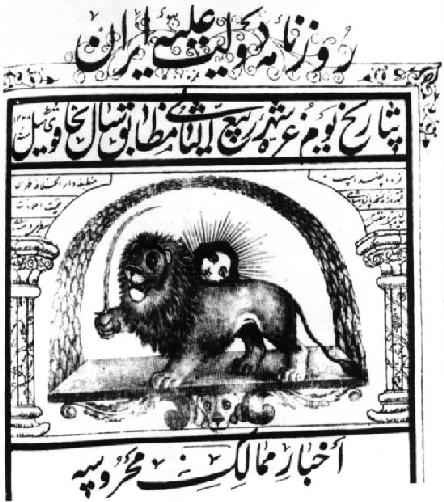
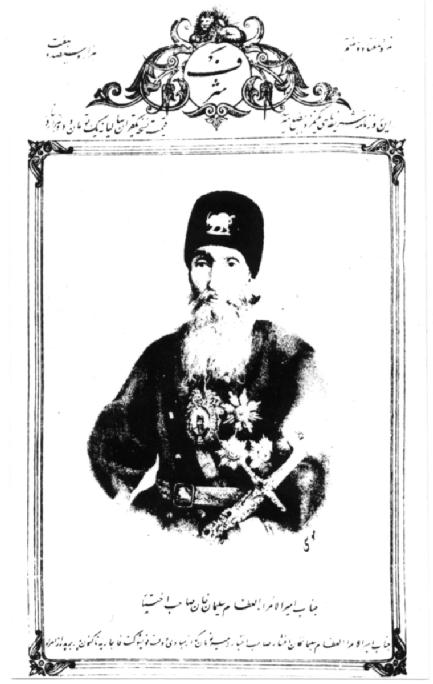
The principal illustrators and designers of this period were: Mirzā Abu’l-Ḥasan Khan Ḡaffāri Ṣaniʿ-al-Molk (q.v.), who drew portraits for the Ruz-nāma-ye dawlat-e ʿaliya-ye Irān, the official journal of the Persian government (PLATE I); Musā, Abu Torāb Ḡaffāri, and Moṣawwer-al-Molk; illustrators of the periodicals Šaraf and Šarāfat (PLATE II); Ḥosaynqoli, working for the periodical Adab, published in Mašhad; ʿAli-Reżā, working for Jārči-e mellat, Tehran; the German artists Ruter and Schemerling, ʿAẓim ʿAẓimzāda Bākuʾi, and Bahu, illustrating the satirical journal Mollā Naṣr-al-Din, published in Azeri Turkish in Tbilisi, then in Tabriz and finally in Baku. Among the later artists of this period only the works of Frederick Talberg (PLATE III), a Swedish immigrant, and of Mušeḵ and Nāpolʾon Sarvari(ān) (PLATE IV), two immigrant Armenian brothers educated at the Moscow Academy of Arts, did have a distinctive European stamp. Talberg started his artistic activity in Tehran in about 1308 Š./1929, working mainly for government agencies, drawing pictures for various publications, and designing commercial and official logos (e.g., that of the Persian state railways, PLATE V). The Sarvari brothers, beginning their work in Tehran in 1309 Š./1930, distinguished themselves in trade publicity, stage design, and particularly in painting attractive posters for motion pictures to be hung above the entrance to movie theaters, a kind of publicity for movies that is still used today in Persia. In their workshop they also trained some apprentices, the most successful of whom was Āldo (see below).


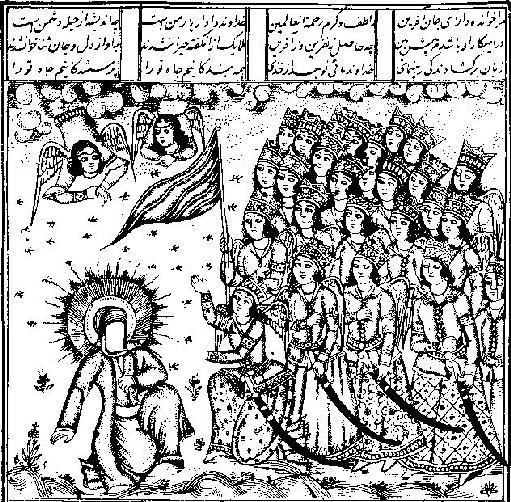
During the reign of Reżā Shah, the best known graphic designers, apart from Talberg and the Sarvari brothers, were Ḥasan Moʾayyed Pardāzi, Yaḥyā Dawlatšāhi, and Reżā Šehābi (students of Kamāl-al-Molk’s school of fine arts); Moḥammad-Nāṣer Ṣafā and ʿAli-Aṣḡar Bahrāmi, illustrators of school textbooks; ʿAlamdār, illustrator of the popular religious epic Ḥamla-ye ḥaydari (PLATE VI); and Mirzā Naṣr-Allāh, illustrator of the popular stories Moḵtār-nāma and Čahār darviš.
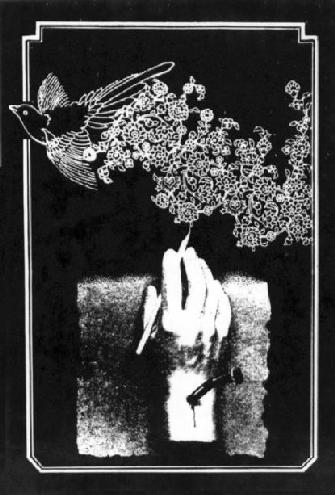
2. In the second period, the Faculty of Fine Arts, with its Western-style administration and curriculum, was instrumental in bringing about a departure from old-fashioned motifs and techniques in graphic arts by training a whole new generation of graphic designers. This period may be loosely subdivided as follows: (1) In the earliest part, the prominent illustrators and graphic designers were, like their predecessors, primarily painters doing graphic work on the side. They included Mišā Girā-gosiān, a graduate of the Tashkent Academy of Fine Arts, Hāyk Ojāqiān, both designing and painting cinema posters; Maḥmud Jawādipur, Moḥammad Bahrāmi, and Parviz Kalāntari, graduates of the Faculty of Fine Arts; Jawād Hātef, Boyuk Aḥmari (posters advertising motion pictures), Teymur Rošdi, and Sirus Emāmi. (2) The second part was marked by the blossoming and expansion of graphic arts owing to several factors and developments. From the late 1950s on, some Faculty of Fine Arts graduates went in for graphic design more professionally. The creation of a special but limited academic course in graphic design by Hušang Kāẓemi (a graduate of the École Nationale Supérieure des Arts Décoratifs, Paris) in 1959 at College of Decorative Arts (Dāneškada-ye honarhā-ye tazyini) in Tehran greatly contributed to the introduction of modern ideas, media, and techniques in graphic design in Persia. Other propitious circumstances included the following events: exhibitions of Persian graphic designers’ works from 1964 at Iran Gallery (Tālār-e Irān); creation of a full-scale section of graphic art design by the present writer in 1969 at the Faculty of Fine Arts; establishment of Center for the Intellectual Development of Children and Young Adults (Kānun-e parvareš-e fekri-e kudakān o no-javāvān) in Tehran in 1966, which encouraged many young ambitious designers and illustrators to work on the Center’s publications and animated cartoons; the Shiraz Festival of Art (Jašnvāra-ye honar-e Širāz), organized annually from 1966 by National Iranian Television; and Tehran International Film Festival (Jašnvāra-ye bayn-al-melali-e film-e Tehrān) held from 1972 by the former Ministry of Culture and Art (Wezārat-e farhang o honar). Graphic arts thus became intimately involved in environmental design, mass media publicity, educational activities, and so on. The graphic artists prominent in this era up to the late 1960s were: Mortażµā Momayyez (PLATE VII) and ʿAli-Aṣḡar Maʿṣumi (from the late 1950s; PLATE VIII); Ṣādeq Barirāni, Qobād Šivā, and Faršid Meṯqāli (from the early 1960s; PLATE IX); Nur-al-Din Zarrinkub, Kāmrān Kātuziān, ʿAli-Akbar Ṣādeqi, and Āydin Āḡdāšlu (from the late 1960s). Some of these graphists, e.g., Momayyez and Meṯqāli, were able to make their works and the modern graphic art of Persia known internationally.
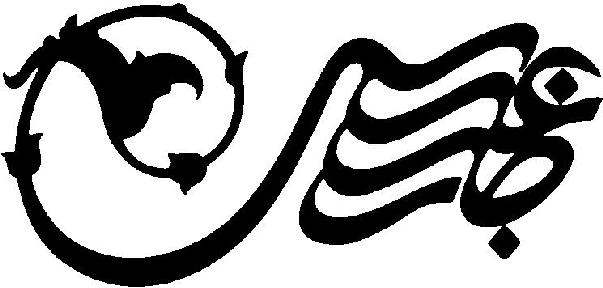
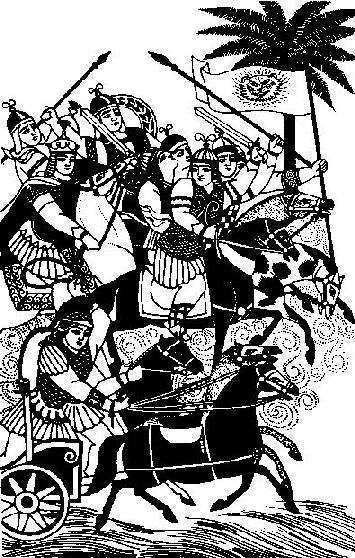
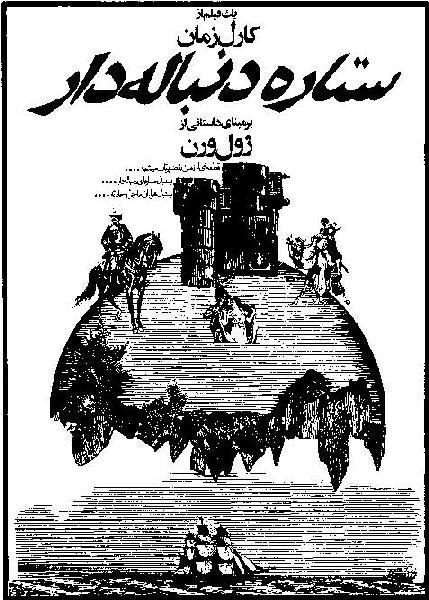
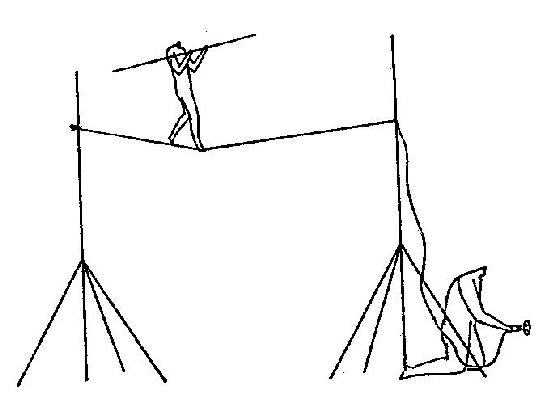
In the rather independent field of comic and satirical illustration (cartoons, caricatures), important progress was made in this period. The publication of well-known satirical weeklies such as Bābā Šamal, Tawfiq, and Čelengar, in the capital and the proliferation of newspapers and magazines in this period prepared a suitable ground for the flourishing of talented cartoonists such as Ḥasan Tawfiq, Moḥsen Davallu, Ḥosayn Banāʾi, Dāvari (or Dāvaryār), Jaʿfar Tejāratči, and, later, Kāmbiz Derambaḵš (PLATE X) and Ardašir Moḥaṣṣeṣ. The latter two deeply influenced later graphic designers and achieved international renown.
In the case of letter designing, no major progress was made owing to insufficient interest and lack of investment; the Persian press continued to imitate models used for the press and other publications in Arab countries. However, from about the middle of the second period, Ḥosayn Ḥaqiqi produced and marketed several designs for letters for use in printed texts and in the titles of periodicals.
In the field of textiles (cloths, carpets, and the like), glazed tiles (kāši), handicrafts (e.g., ḵātam-sāzi “marquetry”), etc., although designing various motifs and patterns is technically part of graphic arts, in Persia it has traditionally been considered as a separate, quasi-independent, applied art. Besides, although Persian carpets are admired for the great variety and richness of their designs, the names of the numerous carpet designers, past and present, are, with very few exceptions, not recorded on the finished products or otherwise publicized. However, Širin Ṣur-e Esrāfil’s painstaking research has resulted in the collection of considerable data on past and contemporary outstanding carpet designers from the main carpet industry centers in Persia. Similar research in other domains of traditional graphic design is still lacking. For instance, in the case of glazed tiles from the late Qajar period to early in the second period, only the names of a few kāši designers such as Ḥosayn Šarif, ʿAbd-al-Raḥmān, and Ḥosayn Kāšitarāš are preserved, and in designing traditional cloths we have only the name of Moḥammad Ṭariqi, who was the supervisor of zari-bāfi (brocaded silk weaving) workshops at the former Department of Fine Arts (Edāra-ye honarhā-ye zibā; later developed into the former Wezārat-e farhang o honar). In plaster relief work (gač-bori; q.v.), the prominent designers in Tehran were Ḥasan Tehrāni (nicknamed Nāḵoš), Moḥammad Aʿlāʾi, Asad-Allāh Zandi, ʿAbd-al-Karim Navid, ʿAbbās ʿĒšqi, and Asad-Allāh Borujerdi, specimens of whose works are to be found in Golestān and Niāvarān palaces, the old building of the former Majles-e šurā-ye melli (Parliament), Bāḡ-e Ferdows (all in Tehran), Emāmzāda Ḥosayn (in Qazvin), etc. The former royal palace, Kāḵ-e safid, in Tehran contains works of other master gačbors, namely, Ostād Qazvini, ʿAbd-al-Karim Šayḵān, Ḥosayn Kāši, and Ḡolām-ʿAli and Reżā Malāʾeka. In various kinds of illuminating manuscripts (taḏhib and tašʿir), outstanding artists (from the mid-Reżā Shah period to the Revolution of 1979) included Moḥammad-ʿAli Zāwia, ʿAbd-Allāh Bāqeri, and, particularly, Ḥosayn Eslāmiān (d. 1358 Š./1979; among other things, he was commissioned to illuminate the Šāh-nāma published by the former Amir Kabir Publishing Co.).
3. Most graphic designers in this period are former students of those in the previous period, and graduates of higher schools of art in Tehran. Prominent among them are Ebrāhim Ḥaqiqi, Ḥamid Nowruzi, Behzād Ḥātem, Ārāpik Bāḡdāsāriān, Aḥmad Saḵāvar, Maḥmud and Moṣṭafā Ramażµāni, and Bahrām Ḵāʾef.
Graphic art in the post-revolutionary epoch of this period witnessed two new thematic developments: the emergence of political posters, which were used by all political formations to attain their different goals, and, during and after the eight-year Irano-Iraqi war, the prevalence of politico-religious themes, mainly the following: glorification of šahādat (martyrdom) and šo-hadāʾ (martyrs); exaltation of some prominent religious leaders; war devastation termed the “holy defense” (defāʿ-e moqaddas). As for the form, in the field of political posters, for lack of previous tradition or experience, poster designers fell back on models from revolutionary socialist countries. All this could be visualized in the first exhibition of political posters set up in November 1978 by the students in the Faculty of Fine Arts. Non-Islamic political posters, however, were short-lived because of subsequent abrupt political changes. The Islamic groups began to incorporate traditional Shiʿite themes and motifs into their own posters and other illustrative works. Today politico-religious posters and other visual arts exhibit a tendency to crude realism incongruously mixed with traditional themes and motifs. A host of graphic artists have sprung up who specialize in this lingering art trend. Moṣṭafā Asad-Allāhi, Farzāna Taqawi, Moḥammad-ʿAli Bani-asadi, Manučehr ʿAbd-Allāhzāda, and Human Mortażawi are only a few of the revolutionary era artists.
Bibliography
Much of the information in this article is from the author’s own files and interviews (e.g., with F. Frederick Talberg, Mušeḵ Sarvari, and Āldo). See also: Abu’l-Fażl ʿAli, Dahsāl bā ṭarrāḥān-e enqelāb-e eslāmi, 1357-1367, Tehran, 1367 Š./1988.
Peter Chelkowski and Hamid Dabashi, Staging a Revolution: The Art of Persuasion in the Islamic Republic of Iran, New York, 1999.
M. Meḥrābi, Posterhā-ye sinemāʾi, Tehran, 1371 Š./1992.
Ketāb-e gerāfik-e sāl-e 65-66, Tehran, 1366 Š./1987.
Mortażā Momayyez, Ṭarrāḥi-e eʿlān/Plakate/Posters, Bergisch Gladbach, Germany, 1983.
Idem, Taṣwir wa taṣawwor: majmuʿa-ye taṣwir-sāzi-e Mortażā Momayyez barā-ye našriyāt-e Irān, Tehran, 1368 Š./1989.
Idem, “Iran,” in Who’s Who in Graphic Design, Zürich, 1994 (where Ebrāhim Ḥaqiqi, Ghobād Šivā, and Mortażā Momayyez are represented).
Negār-ḵāna-ye Mehr-e Šāh, Panjāh sāl gerāfik-e Irān, Tehran, 1355 Š. /1976.
Širin Ṣur-e-Esrāfil, Ṭarrāḥān-e bozorg-e farš-e Irān: sayr-i dar marāḥel-e ṭarrāḥi-e farš, Tehran, 1371 Š./1992.