



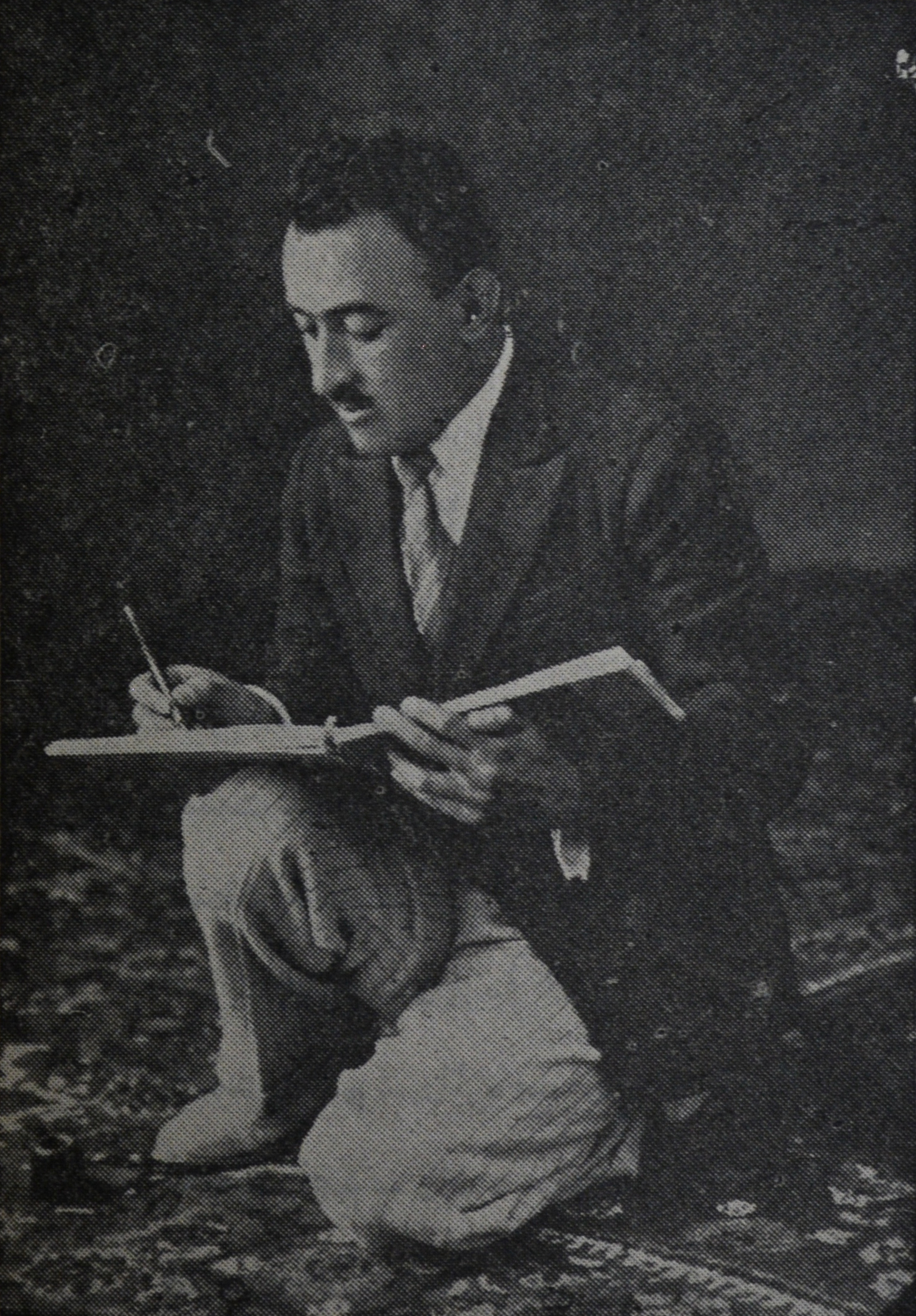
Figure 1. Image of Sanʿatizadeh Kermani published in Ruzegāri ke goḏašt.
SAN‘ATIZADEH KERMANI, ‘ABD-AL-HOSAYN (عبدالحسین صنعتیزاده کرمانی , ʿAbd-al-Ḥosayn Ṣanʿatizādeh Kermāni, b. Kerman, Ordibehešt 1275Š./ May 1896; d. Paris, Šahrivar 1352Š./Sep 1973), Persian novelist and a pioneering figure in the formation of modern Persian prose fiction, particularly in the genres of historical, utopian, and science-fiction writing.
Life
Sanʿatizadeh Kermani was born into a prominent family of Kerman. His father, Ḥājj ʿAli Akbar (1238Š/1318Š [1859-1939]), a supporter of the Constitutional Revolution in Kerman, was a textile manufacturer who in 1916 established one of Iran’s earliest modern orphanages, still in operation as of 2023 (Ganjavi, 2023, 446). In 1923, Sanʿatizadeh married Qamartāj Dowlatābādi (1907-1992), the youngest child of Ḥājj Mirzā Hādi (1831-1907), a prominent mojtahed (high-ranking jurist) of Isfahan, and the sister of Ṣeddiqa Dawlatābādi, a journalist and pioneer of women’s rights in Iran. Their marriage ended in 1933; their progeny included Homayun Sanʿatizadeh, the noted entrepreneur and founding manager of Moʾassasa-ye entešārāt-e Ferānklin (see Franklin Book Program), Fereydun (1927-1949), and Mahdoḵt (b.1933). Sanʿatizadeh Kermani’s second marriage was to Ḵoršid Hemmati in 1940. This marriage produced four children, Ferešteh (b.1942), Malakeh (b.1946), Moḥsen (b.1951), and Širin (b.1955).
Sanʿatizadeh never pursued a formal education. As a very young man he convinced his father to help him find a berth in the bazaar (Sanʿatizadeh Kermani, 1967, 105). From adolescence he devoted himself to reading the treatises of Mīrzā Āqā Khan , Ṭālebuf, Mirza Malkom Khan, and James Morier’s The Adventures of Hajji Baba of Isfahan. He also spent a period in Tehran, under the supervision of a friend of his father, copying the treatises of Mīrzā Āqā Khan—and probably several treatises by SAYYED ʿALĪ MOḤAMMAD ŠĪRĀZĪ—for the purpose of sending them to Edward G. Browne (Sanʿatizadeh Kermani, 1967, 144). During this same period, he became familiar with the art of playwriting as well as the book trade. Upon returning to Kerman, he founded the Kerman Library, which became a gathering place for intellectuals and a venue for offering works such as the writings of Yaḥyā Dowlatābādi (1863-1939) (Ganjavi, 2021). A successful businessman, he was engaged in exporting carpets and turquoises, and importing sewing machines into the country. He also invested in real estate. Following in his father’s footsteps, he managed the orphanage and sponsored the building of a library annex. Sanʿatizadeh Kermani is also considered a pioneering figure in the history of the theatre and performing arts in Kerman. He himself directed the only play he ever wrote, in around 1911, Natija-ye moʿāšerat-e Moftḵor-al-šoʿarāʾ bā Likpilik-al-molk, which could be translated as “The Consequence of the Friendship between a Sponger Poet and a Member of the Ruling Class” (Sanʿatizadeh Kermani, 1967, 155-172). This piece of comic theatre was the first play staged in Kerman’s modern theatrical history (Āqā-ʿAbbāsi, 2012, 35-37).
It has been suggested that Sanʿatizadeh was sympathetic to Bābī/Azali circles, and his autobiography Ruzegāri ke goḏašt (“Days Gone By”) (1967) implicitly foregrounds the lives, ideas, and struggles of Azali-Bābīs in the late Qajar period (Nabavi, 2012, 115–41).
Works
Sanʿatizadeh Kermani developed his literary career in constant dialogue with late 19th-century Iranian literary theorists and authors such as Mīrzā Āqā Khan Kermani (1854-1897). Sanʿatizadeh’s first novel, Dāmgostarān yā enteqāmḵᵛāhān-e Mazdak (“The Ensnarers, or the Avengers of Mazdak”) was published in Bombay in 1920-21, and the second volume of the work in 1925-26 in Tehran with an introduction by Mojtaba Minovi (Browne, 1959, 466; Āryanpur, 2003, 224-227; Kamshad, 1966, 47-50), in which he praises the author for his pioneering attempt at crafting a historical novel with ethical overtones. It is among the earliest examples of modern Persian historical fiction. The novel delineates the fall of the Sasanian Empire following the Arab conquest of Iran and offers a sharp critique of the decline of the ethical values in the late Sasanian era (Mir ʿĀbedini, 2001, 36).
In his juxtaposition of the first volume of the novel and Šayḵ Musā Naṣri’s (1260-1332) ʿEšq o salṭanat yā fotuḥāt-e Kuroš-e kabir (“Love and Kingship, or the Victories of Cyrus the Great”), Edward Browne points to the relative abundance of the archaeological errors in Sanʿatizadeh’s novel (Browne, 1959, 466). Soviet Orientalist Evgeniǐ Ěduardovich Berthels criticizes The Ensnarers from a Marxist-Leninist perspective and argues that Sanʿatizadeh Kermani is representative of the Iranian bourgeoisie, and therefore troubled by the revolutionary struggle that intends to abolish the capitalist regimes. Basil Nikitin (1885-1960), on the other hand, argues that Sanʿatizadeh Kermani is a patriot who stresses the value of individualism in society, delinking individual value from social background (Āryanpur, 2003, 225). Frantisek Makhalski considers Sanʿatizadeh Kermani the father of the Persian historical novel, and situates his novel writing as part of the conflict between intellectual and progressive forces in Iran and the remnants of the old regimes. He too describes these works as patriotic (Āryanpur, 2003, 225). Ganjavi argues, based on a close, comparative study of five pioneering Persian historical novels, that their authors were fundamentally different in their motivations for writing, modes of historical analysis, and the types of historical sources they deployed. Rather than treating early Persian historical fiction as a unified nationalist or bourgeois project, he demonstrates the existence of multiple genealogies—critical, nationalist, and pedagogical—within the genre (Ganjavi, 2021). Focusing in particular on a critical genealogy, Ganjavi reads the first volume of Sanʿatizadeh’s Dām-gostarān as a narrative that exposes collective violence and aligns ethically with historically suppressed and erased figures, thereby positioning the Persian historical novel not merely as a vehicle for patriotic affirmation but as a sustained site of historical critique (Ganjavi, 2021).
Fereydun Ādamīyat (1920-2008) has criticized the historical novels of Sanʿatizadeh Kermani, specifically Dāmgostarān yā enteqām-ḵᵛāhān-e Mazdak, and Māni-e naqqāš (“Mani the Painter”, 1926) as plagiarism. Ādamīyat argues that a handful of notables of Kerman who were familiar with Mirzā Āqā Ḵān Kermāni’s life, such as Maḥmud Dabestāni Kermāni, a member of parliament, had heard rumors that Mirzā Āqā Ḵān had portrayed the lives of a number of historical figures, including Mazdak, Māni, Nāder Šāh and Šāh Solṭān Ḥosayn, in the Western novel form. Ādamīyat further speculates that during meetings in Istanbul Mirzā Āqā Ḵan had provided Ḥajj ʿAli Akbar –‘Abd-al-Ḥosayn’s father – with some manuscripts to be delivered to his family in Iran. As Mirzā Āqā Ḵān was at the time the subject of an investigation into his ties with the Babi faith, his family refused the delivery and the manuscripts were later inherited by Sanʿatizadeh Kermani. Ādamīyat argues that there are close similarities between Mirzā Āqā Ḵān Kermani’s historical theories and those in Dāmgostarān yā enteqām-ḵᵛāhān-e Mazdak (“The ensnarers, or the avengers of Mazdak”) explaining the fall of the Sasanian Empire (Ādamīyat, 1979).
Sanʿatizadeh Kermani rejects these accusations in his biography, Ruzegāri ke goḏašt (“Days Gone By”, 1967; see also Sanʿatizadeh Kermani, 1968). In this book, he publishes the letter of the Iranian Consul in Istanbul signed on 23 July 1894 in which the Consul asks the Ottoman officials to permit Ḥajj ʿAli Akbar to cross the border on his way back home. Pointing to the letter’s date, Sanʿatizadeh Kermani argues that the return of his father to Iran was two years prior to the execution of Mirzā Āqā Ḵān Kermāni (Sanʿatizadeh Kermani, 1967, 310). In his own investigation of this accusation, Ganjavi also provides several historical, thematic, and linguistic reasons to refute the charge of plagiarism, showing that although Sanʿatizadeh was influenced by Kermani’s ideas, the evidence for direct copying is unconvincing and the similarities are better understood as influence (Ganjavi, 2020).
Majmaʿ-e Divānegān (“The Society of Lunatics”), published in two short volumes in Tehran in 1924 and 1925, was famously the first piece of utopian fiction in Persian. It chronicles the tale of a group of madmen who on New Year’s Eve escape from a mental institution to experience freedom. Among them is an illuminated pir (spiritual leader), who by using his knowledge of “magnetism” takes them forward two thousand years to experience the progressive social formations of a utopian civilization, in which such notions as the law, security, technology, surveillance, sustainable energies and modern transportation are central. However, one critic has pointed out that the novel suggests a concern with democratic public participation was yet to appear on the fictional scene (Sarbanquli, 2012, 61). Critics have also traced the imprint of Alexander Dumas’ novels on Sanʿatizadeh’s fictional account of the life of Mani, the prophet and the founder of Manichaeism (Mir ʿĀbedini, 2001, 35).
Salaḥšur (“The Champion”, 1933) Sanʿatizadeh’s account of the rebellion of Ardašir, the founder of the Sasanian Empire, was followed by Rostam dar qarn-e bist o dovvom (“Rostam in the Twenty-Second Century”, 1934), the first Persian work of science fiction, and arguably Sanʿatizadeh’s most noted novel, initially serialized in Šafaq-e sorḵ, a daily newspaper edited by Māyel Toyserkāni (c. 1847-1950), before later being published by Ittihadiya Printing house in Tehran. In this novel, written a few years before the onset of the Second World War, Zahedan becomes the locale where Sanʿatizadeh’s utopian solutions for national and international challenges and conflicts are actualized (Ganjavi, 2016, 60-64).
In a private letter, Nimā Yušij (1896-1960) criticized the novel’s idealist conception of futurity, arguing that its vision of the future relied on imaginative projection rather than materialist historical reasoning, and urged the author toward greater attention to social and economic contradictions (Yušij, 1997, 571).
‘Ālam-e abadi (“The Hereafter”, 1938) is the story of a group of wealthy individuals who sponsor a scientific venture in pursuit of eternal life. Fereshta-ye Ṣolḥ yā Fattāneh Esfahāni (“Fattaneh of Isfahan, the Angel of Peace”, 1321/1942) narrates the life of Fattaneh, a young female scientist who creates a weapon which can destroy all other weapons. She intends to use this weapon to support international peace. The historical novel Siyāh pušān yā dāstān-e Abu Moslem (“The Men in Black or the Story of Abu Moslem”) (1323/1944) narrates the life of Abū Moslem Ḵorāsāni, prominent leader of the ‘Abbasid movement. Nāder, fāteḥ-e dehli (“Nader, Conqueror of Delhi”) (1335/1956) narrates the life and military and political deeds of Nāder Šāh, who in the 18th century arose from obscurity to gain control of the Persian Empire.
His last book, Ruzegāri ke goḏašt (“Days Gone By”), is an autobiographical piece written in 1967. Following the tradition of the autobiographical narratives of the constitutional period and inspired by such picaresque novels as The Adventures of Haji Baba of Ispahan, the text narrates the life of San‘atizadeh Kermani and his father, Ḥājj ʿAli Akbar.
Long overshadowed by later developments in Persian fiction, his historical, utopian, and science-fiction narratives are increasingly recognized as pioneering experiments in genre formation, futurity, and the ethical uses of history in modern Persian prose (Ganjavi, 2019).
Bibliography
Works by Sanʿatīzādeh Kermāni.
Sanʿatīzādeh Kermāni, ʿAbdolḥosayn. Dāmgostarān yā enteqāmḵᵛāhān-e Mazdak. Vol.1. Bombay: Maṭbaʿ-e Šerāfat, 1299/1920.
——. Majmaʿ-e Divānegān. Vol. 1. Tehran: Ketāb-khāneh-ye ʿElmī-ye Mozaffarī, 1303/1924.
——. Majmaʿ-e Divānegān. Vol. 2. Tehran: Ketāb-khāneh-ye Saʿādat, 1304/1925.
——. Dāmgostarān yā enteqāmḵᵛāhān-e Mazdak. Vol. 2. Tehran: Maṭbaʿ-e Majles, 1304/1925.
——. Māni-e Naqqāš. Tehran: Maṭbaʿ Šorawī, 1305/1926.
——. Chegūneh momken ast motamavvel shod. Tehran: Bāqerzādeh, 1309/1930.
——. Salaḥšur. Tehran: Iqbāl, 1312/1933.
——. Rostam dar Qarn-e bīst o dowom. Tehran: Ketāb-khāneh-ye Šarq, 1313/1934.
——. ‘Ālam-e abadi. Tehran: Markazī, 1317/1938.
——. Fereshti-yi Sulh ya Fattaneh Esfahani. Tehran: Ebn-e Sīnā, 1321/1942.
——. Siyāh pušān yā dāstān-e Abu Moslem. Tehran: Kānūn-e Maʿrefat, 1323/1944.
——. Nader, fatih Dihli. Tehran: Ebn-e Sīnā 1336/1957.
——. Ruzegāri ke goḏašt. Tehran: Ebn-e Sīnā, 1346/1967.
Sources
Ādamīyat, Fereydun. Andīšahā-ye Mirzā Aqā Ḵān Kermānī. Tehran: Payām-e Zabān-e Fārsī, 1357/1979.
Alinejad, Cyrus. “SAN‘ATIZADEH KERMANI, Homayun.” Encyclopaedia Iranica. Published January 28, 2011.
Aqa Abbasi, Yadullah. “Abdulhussain San’atizadeh va Adabiyat Diramatik.” Nashirya Adab va Zaban 30 (1390/2012): 31-36.
Āryanpur, Yahyā. Az Nimā tā ruzigār-i mā. Vols. 3. Tehran: Zawwār, 1382/2003.
Browne, Edward G. A Literary History of Persia. Vol. IV, Cambridge: Cambridge University Press, 1959.
Ganjavi, Mahdi. “Ayandihay-i Guzashteh, Nigahi bi Ruman-i Rostam dar Qarn Bist o Duwwum.” Barrisi Kitab Wijeh Hunar va Adabiyat 84 (1394/2016): 60-64.
——. “ʿAbdulḥusayn Ṣanʿatīzādeh: Ghāyeb-e ḥāżer,” Majalleh-ye Tajrobeh, 60 (2019): 38–42.
——. “Shekl-gīrī-ye ḵīāl-e ārman-shahrī dar Adabiyāt-e Fārsī.” Resāneh-ye Pārsī, 15 June 2020. https://persianmediaproduction.org/article/%d8%b9%d8%a8%d8%af%d8%a7%d9%84%d8%ad%d8%b3%db%8c%d9%86-%d8%b5%d9%86%d8%b9%d8%aa%db%8c%e2%80%8c%e2%80%8c%d8%b2%d8%a7%d8%af%d9%87/
——. “Tabār-hā-ye Romān-e Tārīḵī dar Adabiyāt-e Fārsī.” Resāneh-ye Pārsī, 20 January 2021a. https://persianmediaproduction.org/article/%d8%aa%d8%a8%d8%a7%d8%b1%d9%87%d8%a7%db%8c-%d8%b1%d9%85%d8%a7%d9%86-%d8%aa%d8%a7%d8%b1%db%8c%d8%ae%db%8c-%d8%af%d8%b1-%d8%a7%d8%af%d8%a8%db%8c%d8%a7%d8%aa-%d9%81%d8%a7%d8%b1%d8%b3%db%8c/
——. “Dāmgostarān yā enteqām-ḵᵛāhān-e Mazdak: Lāyeḥe-ī dar radd-e yek ettehām-e serqat-e adabī.” Radiozamaneh, 28 May 2021b. Accessible at: https://www.radiozamaneh.com/670010/
——. “Morūrī bar yāddāsht-hā-ye Ḥājj ʿAlī Akbar Ṣanʿatīzādeh va yāddāshtī nashr-nashode az ū.” Jong-e Honar-e Mās 23 (2023): 106–115.
Kamshad, Ḥassan. Modern Persian Literature. Cambridge, l966; Repr., Bethesda, Md., 1996.
Mir ʿĀbedini, Ḥassan. Ṣad sāl dāstān-nevisi dar Irān. 3 volumes. Tehran: Cheshmeh, 1380/2001.
Nabawi, Seyed Miqdad. “tarikh maktum Babian va Azalian.” faslnama farhangi ijtima’ei guftigu 59 (1390/2012): 115-141. Accessible at: http://bahairesearch.org/article/تاریخ-مکتوم)
Pārsānasab, Moḥammad Gholām. Romān-e tārīḵī: seyr, naqd va taḥlīl-e romān-hā-ye tārīḵī-ye fārsī. Tehran: Nashr-e Cheshmeh, 1381/2002.
Sanʿatīzādeh Kermani, Abdulhussain. Dāmgostarān yā enteqāmḵᵛāhān-e Mazdak. Edited by Mahdi Ganjavi and Mehrnaz Mansouri, Tehran: Maniahonar, 1399/2021.
——. Ruzegāri ke goḏašt. Edited by Mahdi Ganjavi and Mehrnaz Mansouri, Cologne: Forough, 1398/2020.
——. ‘Ālam-e abadi. Edited by Mahdi Ganjavi and Mehrnaz Mansouri, Tehran: Maniahonar, 1395/2017a.
——. Majmaʿ-e Divānegān. Edited by Mahdi Ganjavi and Mehrnaz Mansouri, Tehran: Maniahonar, 1395/2017b.
——. Rostam dar qarn-e bist o dovvom. Edited by Mahdi Ganjavi and Mehrnaz Mansouri, Toronto: Asemana Books, 1395/2017c.
——. Fereshti-yi Sulh ya Fattaneh Esfahani. Edited by Mahdi Ganjavi and Mehrnaz Mansouri, Tehran: Maniahonar, 1395/2017d.
——. “Nāmeh-ye nevisandeh-ye Dāmgostarān.” Rāhnamā-ye Ketāb 11 (1347/1968): 105–109.
Sattari Sarbanquli, Ḥassan. “Armanshahr dar aray-I rushanfikran ‘asr mashruteh iran,” nashriya hunarhay-I ziba, mi’mari wa shahrsazi 17, no. 1 (1391/2012): 55-64.
Yavari, Houra. “Fiction, ii (b) THE NOVEL,” Encyclopaedia Iranica IX, 1999, pp. 580-92.
Yušij, Nimā. Namihayi Nima. Edited by Shiragim Yušij, Tehran: Negāh Publishing House, 1376/1997.
——. Majmueh Kamil Namihay-i Nima Yushij. Edited by Sirous Ṭāhbāz. Tehran: Elm Publishing, 1376/1997.
——. Namihay-i nima be ‘abdulhussain San’atizadeh Kermani. Edited by Amir Hakimi. 1314/1936. Accessible at: http://do-ln.blogspot.ca/2016/08/1314.html
Zangiabadi, Reza. “Mīrzā Āqā Khān Kermānī va romān-e tārīḵī.” Majalleh-ye Negāh-e Now, (1393/2014): 154–164.